Afghan Hound
Afghan Hound Summary
 Weight
 Lifespan
 Exercise
 Trainability
 Temperament
 Grooming
Get to Know Afghan Hounds
- Ancient Origins: The Afghan Hound is one of the oldest dog breeds, with roots going back thousands of years. They were originally bred by nomadic tribes in the Middle East and Central Asia for hunting and guarding.
- Built for Speed and Agility: These dogs are part of the sighthound family and are known for their speed and athleticism. They can run up to 40 miles per hour, using their keen eyesight to spot prey from a distance.
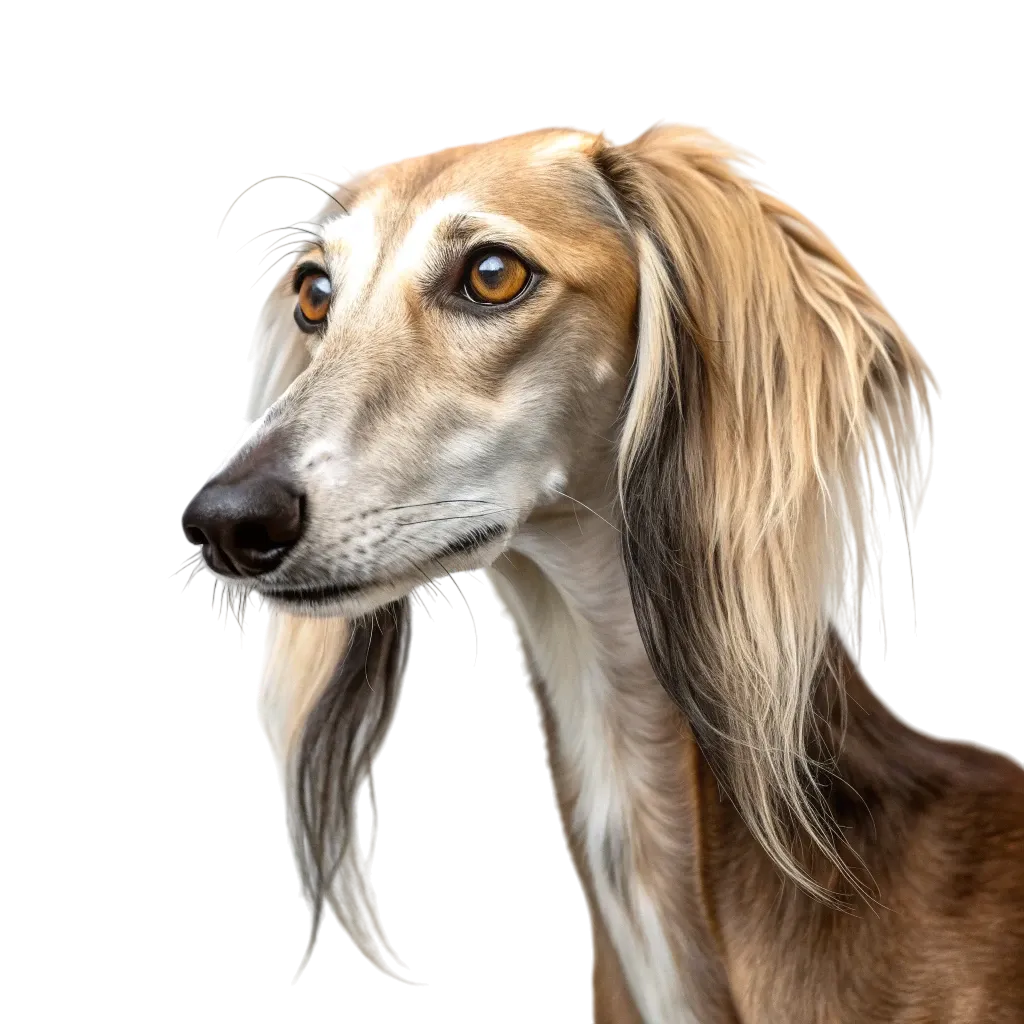
- Iconic, Flowing Coat: Afghan Hounds are famous for their luxurious, silky coat, which served as protection against cold climates in their native mountains. While stunning, it does require regular grooming to keep it tangle-free.
- Independent Thinkers: Known for their aloof and sometimes cat-like personality, Afghan Hounds are intelligent but independent. They may not always be eager to please, which makes training a bit more of a challenge.
- Quiet and Gentle at Home: Despite their regal and aloof demeanor, Afghan Hounds are generally quiet, gentle, and affectionate with their families. They enjoy a calm home environment and are often very loyal once bonded.
Afghan Hound Personality & Temperament
- Dignified: Afghan Hounds have a naturally elegant presence. Whether they’re lounging on the couch or gliding across the yard, they carry themselves with a quiet confidence and poise that turns heads. Their dignified demeanor often makes them seem regal and somewhat mysterious.
- Independent: This breed is famously self-reliant. Afghan Hounds were bred to make quick decisions while hunting, which translates into a strong independent streak in the home. They may choose when and how they respond, making consistent, patient training essential.
- Aloof: Afghan Hounds tend to be reserved, especially around new people or unfamiliar situations. They’re not typically the type to beg for attention from strangers, but once they bond with their family, they show deep affection and loyalty in their own quiet way.
Afghan Hound Care & Grooming
- Exercise: Afghan Hounds are natural athletes with strong hunting instincts and a love for running. They need daily exercise, including long walks and opportunities to run in a safe, enclosed space. Because they’re sighthounds, they may chase anything that moves—so off-leash time should only happen in secure areas. Mental stimulation, like scent work or gentle agility, can also help keep them engaged.
- Grooming: That stunning, flowing coat is as high-maintenance as it looks. Afghan Hounds need frequent brushing—ideally several times a week—to prevent tangles and mats. Regular baths and careful drying are also part of the routine. Their grooming needs require time, patience, and the right tools (or a skilled groomer), but the results are worth it. Nail trims, ear checks, and dental care should also be part of their regular upkeep.
- Personality & Training: Afghan Hounds are intelligent but independent, which means they may not always be eager to please. Training should be positive, consistent, and patient, with a focus on building trust rather than using harsh corrections. Early socialization is important to help them feel confident around people and other animals. While they can be aloof, they’re affectionate with those they bond with and thrive in calm, respectful environments.
What to ask your breeder?
Here's a short summary of what you should be asking your breeder:
Afghan Hound Health Testing
| Screening | Considerations |
|---|---|
| Hip Dysplasia | One of the following: OFA Evaluation - minimum age 24 months PennHIP Evaluation. Results registered with OFA. |
| ACVO Eye Exam | Eye Examination once 12 months old. Results registered with OFA |
| Autoimmune thyroiditis | Autoimmune Thyroditis Evaluation from an approved Lab. Results registered with OFA. |
Afghan Hound History
The Afghan Hound is one of the oldest and most elegant dog breeds, with a history that dates back thousands of years. Originating in the mountainous regions of Afghanistan, this breed was developed by nomadic tribes to hunt large game such as deer and leopards. Their long, flowing coat helped protect them from harsh climates, while their speed, agility, and keen eyesight made them exceptional hunters across rugged terrain. Afghan Hounds were highly valued and even considered treasures—so much so that they were rarely seen outside their native region until the 20th century. When they were eventually introduced to Europe and North America, their exotic beauty and graceful demeanor quickly gained attention, making them a favorite in the show ring and among breed enthusiasts.
How Much Does It Cost to Own an Afghan Hound Per Year?
Determining the cost of owning an Afghan Hound is essential for responsible dog ownership. Use our calculator to estimate expenses, including food, grooming, veterinary care, and more.
The Ultimate Dog Cost Calculator
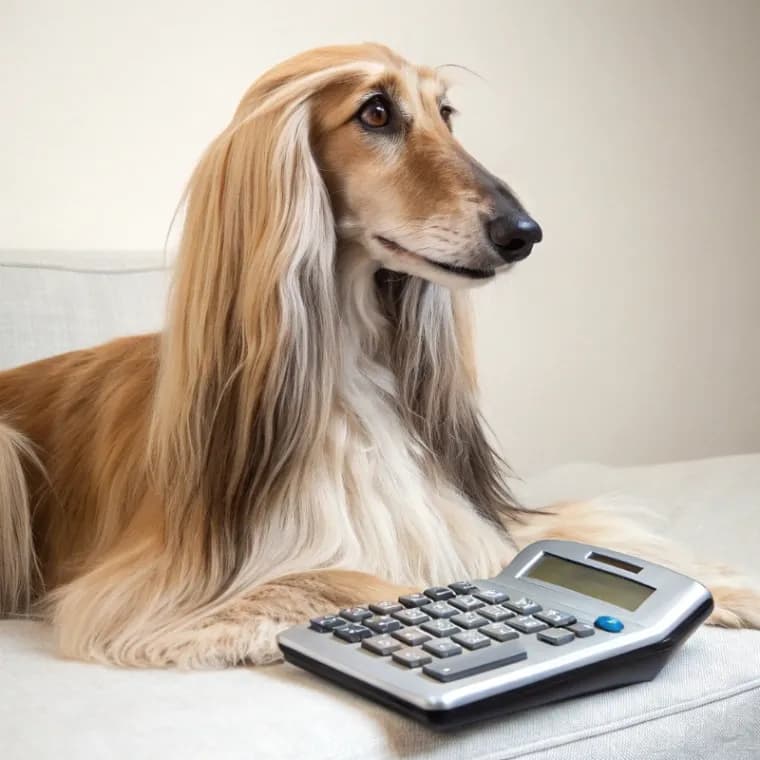 Calculate NowSee full Afghan Hound cost breakdown
Find Afghan Hound Breeders Near You
Connect with trusted Canadian breeders raising Afghan Hounds.
Find Afghan Hound BreedersFrequently Asked Questions About Afghan Hound
When you talk to a breeder, you're not just asking “do you have available Afghan Hound puppies?” You're looking for a match in the process of rehoming a dog. As a prospective dog owner, you are assessing how predictable the dog's health, temperament, and long-term welfare will be and whether the breeder's practices reduce avoidable risk.
You should engage in a conversation about the following topics:
- Which health tests and genetic screening do you do specifically for Afghan Hound, and can I see the results?
- What do you do if a puppy develops a serious genetic condition? What contract, policies and support do you offer as a breeder?
- How are puppies raised from birth to 8+ weeks? Ask about socialization, philosophies on early neurological development, handling, and exposure.
In Canada, Afghan Hound puppies from reputable breeders typically cost between $1,500 and $3,500 — but the puppy price is only the beginning.
The real cost of a dog isn't just the puppy price. After year one, the cost of a dog includes the predictable annual costs + the unpredictable “risk costs.” Your goal is to make the cost legible before you commit, as one of the top causes of surrendering a dog is not being able to afford the dog in later years.
To help you assess these costs, Paction has created the Ultimate Cost Calculator. You can also read an article written by a Paction breeder on why a prospective dog owner should focus on the ongoing costs of dog ownership and not “how much” the puppy costs.
For Afghan Hound, responsible breeders commonly screen breeding pairs using tests such as Hip Dysplasia, ACVO Eye Exam, and Autoimmune thyroiditis.
Every dog breed has certain health issues that tend to occur more often, but what matters most is how predictable and preventable those risks are. For many breeds, common concerns include inherited conditions (such as orthopedic, eye, or cardiac issues) as well as lifestyle-related challenges like weight management, dental health, skin or ear problems, and anxiety.
Responsible breeders help reduce inherited risk through appropriate health testing, careful selection of breeding pairs, and transparency about family history. To understand more about responsible breeding programs that prioritize health and genetic screening of breeding pairs, check out Making Science Simple: Canine Genetics for Puppy Shoppers.
As an owner, you play an equally important role. Consistent preventive veterinary care, proper exercise and enrichment, healthy nutrition, and early screening can significantly improve long-term health outcomes.
Whether an Afghan Hound is right for you depends less on the breed itself and more on how well its typical energy level, temperament, and care needs align with your daily life. Important factors include your schedule and activity level, living environment, household dynamics (such as children, other pets, or allergies), and tolerance for noise or independence. Long-term fit also comes down to maintenance like grooming, training needs, and how often you travel or rely on outside dog care.
Use Paction's Dog Breed Matchmaker and Pup Time Estimator to find out more about what dog is right for you.
Paw Prints 🐾