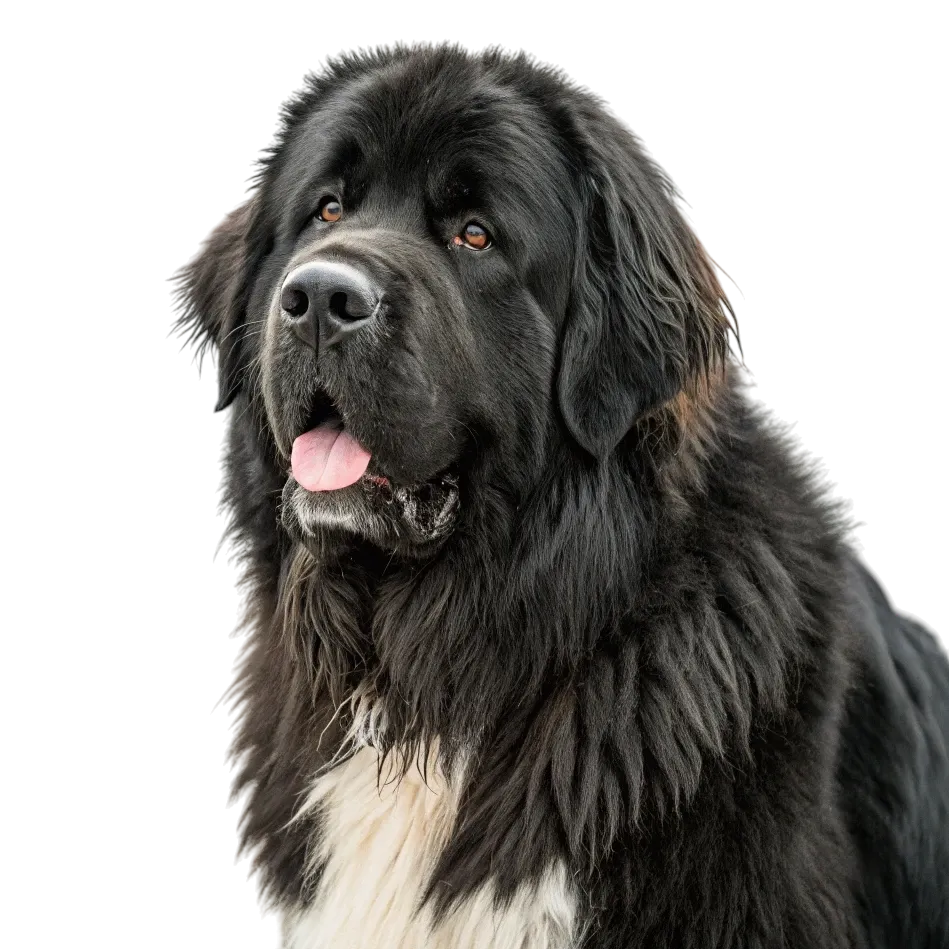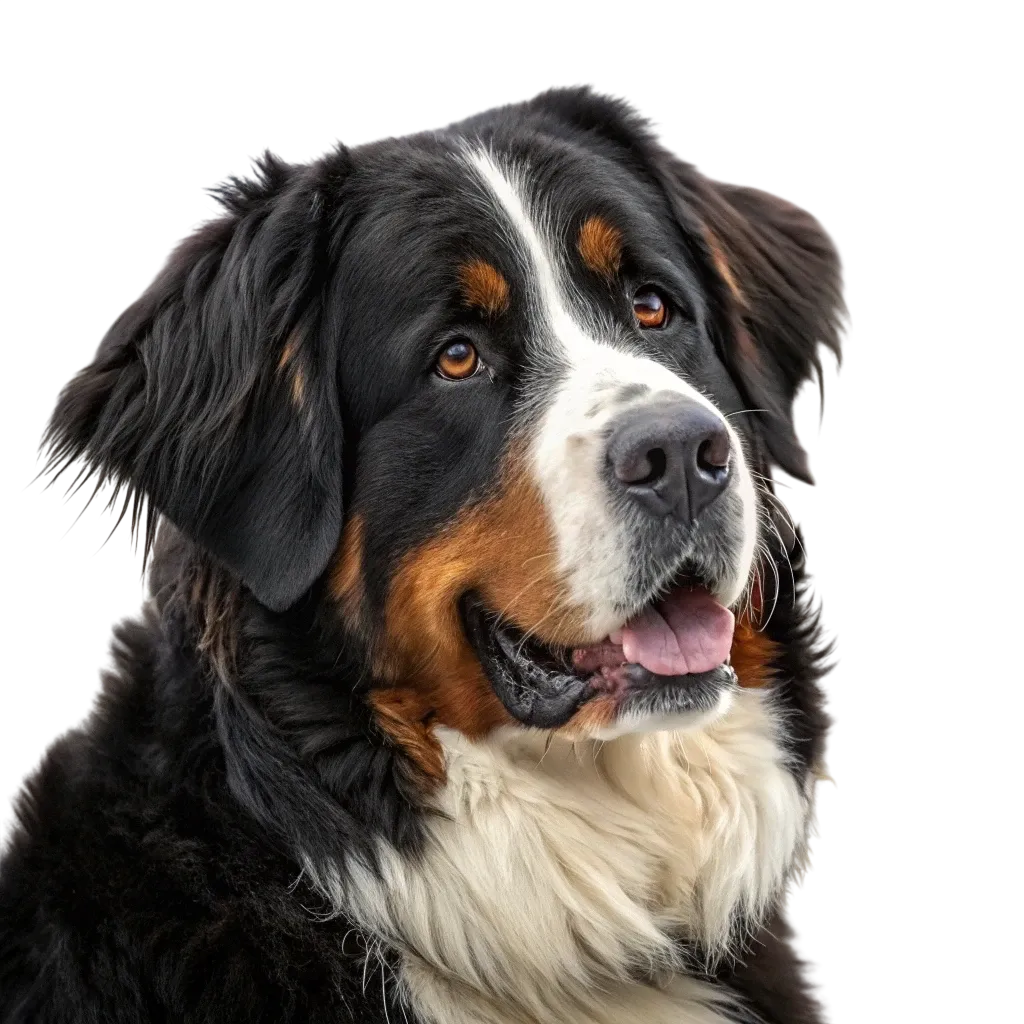
Leonberger
Leonberger Summary
 Weight
 Lifespan
 Exercise
 Trainability
 Temperament
 Grooming
Get to Know Leonbergers
- Water Rescue Dogs: Leonbergers are excellent swimmers and have been used in water rescue work, especially in Europe. Their strength, webbed feet, and calm demeanor make them well-suited for pulling people to safety.
- Saved from Extinction by One Breeder: After World War I, only five Leonbergers remained. A German breeder named Otto Josenhans is credited with reviving the breed using the few remaining dogs.
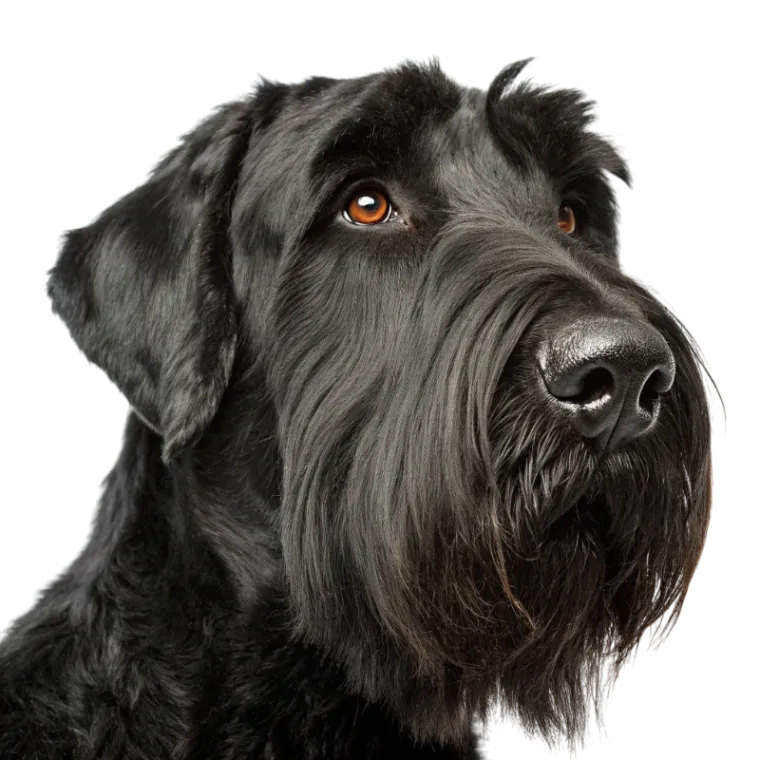
- Bred to Resemble a Lion: The Leonberger was specifically developed to mimic the lion on the coat of arms of Leonberg, Germany—hence their majestic, lion-like mane and appearance.
- Royal Companions: This breed was once a favorite among European royalty. Notable owners included Napoleon III, Tsar Alexander II of Russia, and Empress Elisabeth of Austria.
- They “Lean” for Love: True to their affectionate nature, Leonbergers are known to lean their full body weight gently against their humans as a form of bonding—something their fans call the "Leonberger lean."
Leonberger Personality & Temperament
- Gentle and Affectionate: Leonbergers are exceptional family dogs. They are especially patient and tolerant with children, often forming strong, protective bonds. Despite their imposing size, they are calm and composed, preferring to stay close to their loved ones and offering quiet companionship rather than boisterous behavior.
- Intelligent & Eager to Please: These dogs are also intelligent and eager to please, which makes them relatively easy to train with positive reinforcement. However, they can be a bit independent at times, so early socialization and consistent training are important. They respond best to calm, confident leadership and can excel in various dog sports or as therapy and working dogs.
- Friendly and Sociable: Leonbergers get along well with other animals and strangers when properly introduced. They are not naturally aggressive but will act as a deterrent simply because of their size and presence. They thrive on human interaction and may become anxious or destructive if left alone for long periods, so they do best in homes where they can be fully integrated into daily life.
Leonberger Care & Grooming
- Grooming: A Leonberger requires a committed routine due to their thick, double coat. They shed year-round, with heavier seasonal shedding twice a year. To manage this, they need brushing at least 2–3 times per week, and more frequently during shedding seasons to prevent matting and reduce loose hair. Regular maintenance should also include ear cleaning, nail trimming, and occasional baths to keep their skin and coat healthy.
- Exercise: Leonbergers have moderate to high energy levels and benefit from daily physical activity. While they are not hyperactive, they do need regular walks, playtime, or outdoor adventures to stay mentally and physically fit. They enjoy swimming, hiking, and even pulling carts, as they were originally bred for draft work. Without enough exercise, they can become bored or restless, especially as young adults.
- Training: A Leonberger is usually a rewarding experience, as they are intelligent, eager to please, and generally good-natured. However, their large size and independent streak mean that early training and socialization are essential. They respond well to positive reinforcement and consistency but may become stubborn if handled harshly. A calm, confident approach will help bring out their best behavior and ensure they grow into well-mannered, cooperative companions.
What to ask your breeder?
Here's a short summary of what you should be asking your breeder:
Leonberger Health Testing
| Screening | Considerations |
|---|---|
| Hip Dysplasia | One of the following: OFA Radiographic Hip Evaluation PennHIP Evaluation. Results registered with OFA. |
| Elbow Dysplasia | OFA Radiographic Elbow Evaluation |
| ACVO Eye Exam | One of the following: International Ophthalmology Exam. Results registered with OFA. ACVO Eye Examination. Results registered with OFA. |
| Leonberger Polyneuropathy (LPN1) | DNA-based test from an accepted laboratory; results registered with OFA |
| Leonberger Polyneuropathy (LPN2) | DNA-based test from an accepted laboratory; results registered with OFA |
| Leonberger Polyneuropathy (LPN3) | DNA-based test from an accepted laboratory; results registered with OFA |
| Autoimmune Thyroiditis | Autoimmune Thyroiditis Evaluation from an approved Lab. Results registered with OFA. |
| Leukoencephalomyelopathy (LEMP) | DNA-based test from an accepted laboratory; results registered with OFA |
| Cardiac Evaluation | (Optional but recommended) Standard Congenital Cardiac Exam. Results registered with OFA. Advanced Cardiac Exam Basic Cardiac Exam |
| DNA Repository | (Optional but recommended) Participation in the OFA/CHIC DNA Repository (DNA Bank) |
Leonberger History
The Leonberger originated in the mid-19th century in Leonberg, Germany, where Heinrich Essig, a dog breeder and politician, aimed to create a majestic dog that resembled a lion—symbolizing the town’s crest. He achieved this by crossing large working breeds, including the Saint Bernard, Newfoundland, and Great Pyrenees. The result was a powerful yet gentle giant known for its strength, intelligence, and calm temperament. Originally bred as a companion for royalty and a farm and draft dog, the Leonberger nearly went extinct during both World Wars. Dedicated enthusiasts revived the breed, and today it is cherished worldwide for its noble appearance and steady, affectionate nature.
How Much Does It Cost to Own a Leonberger Per Year?
Determining the cost of owning a Leonberger is essential for responsible dog ownership. Use our calculator to estimate expenses, including food, grooming, veterinary care, and more.
The Ultimate Dog Cost Calculator
 Calculate NowSee full Leonberger cost breakdown
Find Leonberger Breeders Near You
Connect with trusted Canadian breeders raising Leonbergers.
Find Leonberger BreedersFrequently Asked Questions About Leonberger
When you talk to a breeder, you're not just asking “do you have available Leonberger puppies?” You're looking for a match in the process of rehoming a dog. As a prospective dog owner, you are assessing how predictable the dog's health, temperament, and long-term welfare will be and whether the breeder's practices reduce avoidable risk.
You should engage in a conversation about the following topics:
- Which health tests and genetic screening do you do specifically for Leonberger, and can I see the results?
- What do you do if a puppy develops a serious genetic condition? What contract, policies and support do you offer as a breeder?
- How are puppies raised from birth to 8+ weeks? Ask about socialization, philosophies on early neurological development, handling, and exposure.
In Canada, Leonberger puppies from reputable breeders typically cost between $2,200 and $4,800 — but the puppy price is only the beginning.
The real cost of a dog isn't just the puppy price. After year one, the cost of a dog includes the predictable annual costs + the unpredictable “risk costs.” Your goal is to make the cost legible before you commit, as one of the top causes of surrendering a dog is not being able to afford the dog in later years.
To help you assess these costs, Paction has created the Ultimate Cost Calculator. You can also read an article written by a Paction breeder on why a prospective dog owner should focus on the ongoing costs of dog ownership and not “how much” the puppy costs.
For Leonberger, responsible breeders commonly screen breeding pairs using tests such as Hip Dysplasia, Elbow Dysplasia, ACVO Eye Exam, and Leonberger Polyneuropathy (LPN1).
Every dog breed has certain health issues that tend to occur more often, but what matters most is how predictable and preventable those risks are. For many breeds, common concerns include inherited conditions (such as orthopedic, eye, or cardiac issues) as well as lifestyle-related challenges like weight management, dental health, skin or ear problems, and anxiety.
Responsible breeders help reduce inherited risk through appropriate health testing, careful selection of breeding pairs, and transparency about family history. To understand more about responsible breeding programs that prioritize health and genetic screening of breeding pairs, check out Making Science Simple: Canine Genetics for Puppy Shoppers.
As an owner, you play an equally important role. Consistent preventive veterinary care, proper exercise and enrichment, healthy nutrition, and early screening can significantly improve long-term health outcomes.
Whether a Leonberger is right for you depends less on the breed itself and more on how well its typical energy level, temperament, and care needs align with your daily life. Important factors include your schedule and activity level, living environment, household dynamics (such as children, other pets, or allergies), and tolerance for noise or independence. Long-term fit also comes down to maintenance like grooming, training needs, and how often you travel or rely on outside dog care.
Use Paction's Dog Breed Matchmaker and Pup Time Estimator to find out more about what dog is right for you.
If you're thinking about a new dog after losing one, Are You Ready After Loss? is a gentle check-in to help you decide when the time is right.