Bouvier des Flandres
Bouvier des Flandres Summary
 Weight
 Lifespan
 Exercise
 Trainability
 Temperament
 Grooming
Get to Know Bouviers des Flandres
- Versatile Farm Worker: Originally bred as an all-purpose farm dog, the Bouvier des Flandres herded cattle, guarded property, and pulled carts. Their strength and adaptability made them indispensable to Flemish farmers.
- War Dog History: The breed was nearly wiped out during World War I but gained recognition for serving as messenger dogs, ambulance dogs, and draft animals on the battlefield.
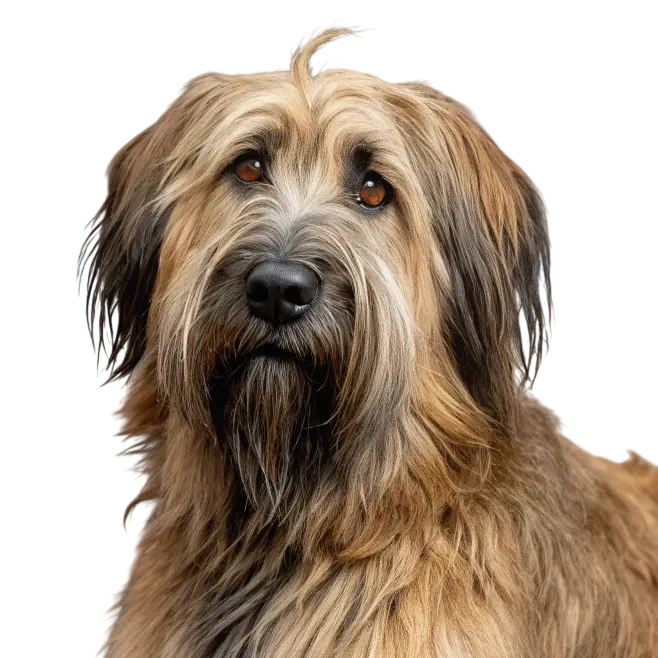
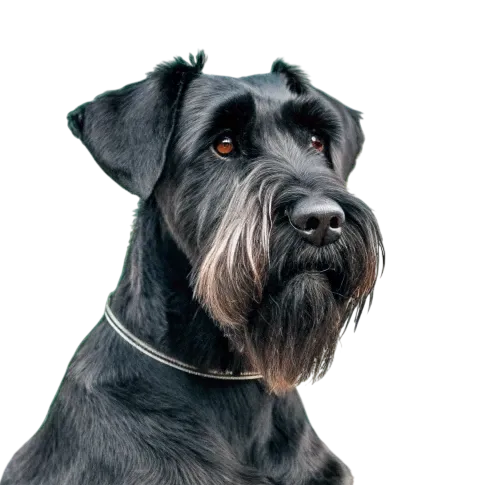
- Distinctive Beard and Coat: Their rugged beard, mustache, and tousled coat are iconic features that protect them from harsh weather and livestock kicks.
- Exceptional Guarding Instincts: Bouviers are naturally protective without being aggressive, making them reliable guardians who assess situations calmly before reacting.
- Highly Intelligent Problem-Solvers: They excel in obedience, tracking, herding, and protection sports, but their intelligence requires structured training to prevent stubborn or independent behavior.
Bouvier des Flandres Personality & Temperament
- Calm but Watchful: Bouviers are generally calm indoors but remain alert and observant of their surroundings at all times.
- Strongly Loyal: They form deep bonds with their families and are often reserved with strangers, especially without proper socialization.
- Confident & Independent: They think for themselves, which makes them excellent working dogs but requires experienced handling.
Bouvier des Flandres Care & Grooming
- Exercise: Daily structured exercise such as long walks, obedience work, or herding-style activities helps prevent boredom and behavioral issues.
- Training: Early socialization and firm, positive leadership are essential to develop a well-balanced adult dog.
- Grooming: Routine brushing several times a week prevents matting and keeps the coat manageable; professional grooming is often needed.
What to ask your breeder?
Here's a short summary of what you should be asking your breeder:
Bouvier Des Flanders Health Testing
| Screening | Considerations |
|---|---|
| Hip Dysplasia | OFA Radiographic Hip Evaluation |
| Elbow Dysplasia | OFA Radiographic Elbow Evaluation |
| Cardiac Evaluation | One of the following: Standard Congenital Cardiac Exam. Results registered with OFA. Advanced Cardiac Exam Basic Cardiac Exam |
| ACVO Eye Exam | Eye Examination. Minimum age 18 months. The ABdFC recommends testing be repeated every two years until at least 8 years of age. |
Bouvier des Flandres History
The Bouvier des Flandres originated in the Flanders region of Belgium and northern France, where it was developed as a powerful farm dog capable of herding cattle, guarding property, and performing draft work. The breed’s name translates to “cow herder of Flanders,” reflecting its agricultural roots. After World War I nearly decimated the population, dedicated breeders rebuilt the breed using surviving working dogs. Today, the Bouvier is valued worldwide as a loyal companion, guardian, and versatile working dog.
How Much Does It Cost to Own a Bouvier des Flandres Per Year?
Determining the cost of owning a Bouvier des Flandres is essential for responsible dog ownership. Use our calculator to estimate expenses, including food, grooming, veterinary care, and more.
The Ultimate Dog Cost Calculator
 Calculate NowSee full Bouvier des Flandres cost breakdown
Find Bouvier des Flandres Breeders Near You
Connect with trusted Canadian breeders raising Bouviers des Flandres.
Find Bouvier des Flandres BreedersFrequently Asked Questions About Bouvier des Flandres
When you talk to a breeder, you're not just asking “do you have available Bouvier des Flandres puppies?” You're looking for a match in the process of rehoming a dog. As a prospective dog owner, you are assessing how predictable the dog's health, temperament, and long-term welfare will be and whether the breeder's practices reduce avoidable risk.
You should engage in a conversation about the following topics:
- Which health tests and genetic screening do you do specifically for Bouvier des Flandres, and can I see the results?
- What do you do if a puppy develops a serious genetic condition? What contract, policies and support do you offer as a breeder?
- How are puppies raised from birth to 8+ weeks? Ask about socialization, philosophies on early neurological development, handling, and exposure.
In Canada, Bouvier des Flandres puppies from reputable breeders typically cost between $1,800 and $4,000 — but the puppy price is only the beginning.
The real cost of a dog isn't just the puppy price. After year one, the cost of a dog includes the predictable annual costs + the unpredictable “risk costs.” Your goal is to make the cost legible before you commit, as one of the top causes of surrendering a dog is not being able to afford the dog in later years.
To help you assess these costs, Paction has created the Ultimate Cost Calculator. You can also read an article written by a Paction breeder on why a prospective dog owner should focus on the ongoing costs of dog ownership and not “how much” the puppy costs.
For Bouvier des Flandres, responsible breeders commonly screen breeding pairs using tests such as Hip Dysplasia, Elbow Dysplasia, Cardiac Evaluation, and ACVO Eye Exam.
Every dog breed has certain health issues that tend to occur more often, but what matters most is how predictable and preventable those risks are. For many breeds, common concerns include inherited conditions (such as orthopedic, eye, or cardiac issues) as well as lifestyle-related challenges like weight management, dental health, skin or ear problems, and anxiety.
Responsible breeders help reduce inherited risk through appropriate health testing, careful selection of breeding pairs, and transparency about family history. To understand more about responsible breeding programs that prioritize health and genetic screening of breeding pairs, check out Making Science Simple: Canine Genetics for Puppy Shoppers.
As an owner, you play an equally important role. Consistent preventive veterinary care, proper exercise and enrichment, healthy nutrition, and early screening can significantly improve long-term health outcomes.
Whether a Bouvier des Flandres is right for you depends less on the breed itself and more on how well its typical energy level, temperament, and care needs align with your daily life. Important factors include your schedule and activity level, living environment, household dynamics (such as children, other pets, or allergies), and tolerance for noise or independence. Long-term fit also comes down to maintenance like grooming, training needs, and how often you travel or rely on outside dog care.
Use Paction's Dog Breed Matchmaker and Pup Time Estimator to find out more about what dog is right for you.