Old English Sheepdog
Old English Sheepdog Summary
 Weight
 Lifespan
 Exercise
 Trainability
 Temperament
 Grooming
Get to Know Old English Sheepdogs
- Iconic “Bobtail” Look & Gait: The Old English Sheepdog is often called the “bobtail” because its tail was traditionally docked very short. This was once a sign of a working dog and helped avoid injury while herding. The breed also has a distinctive, bear-like rolling gait, especially noticeable when walking slowly.
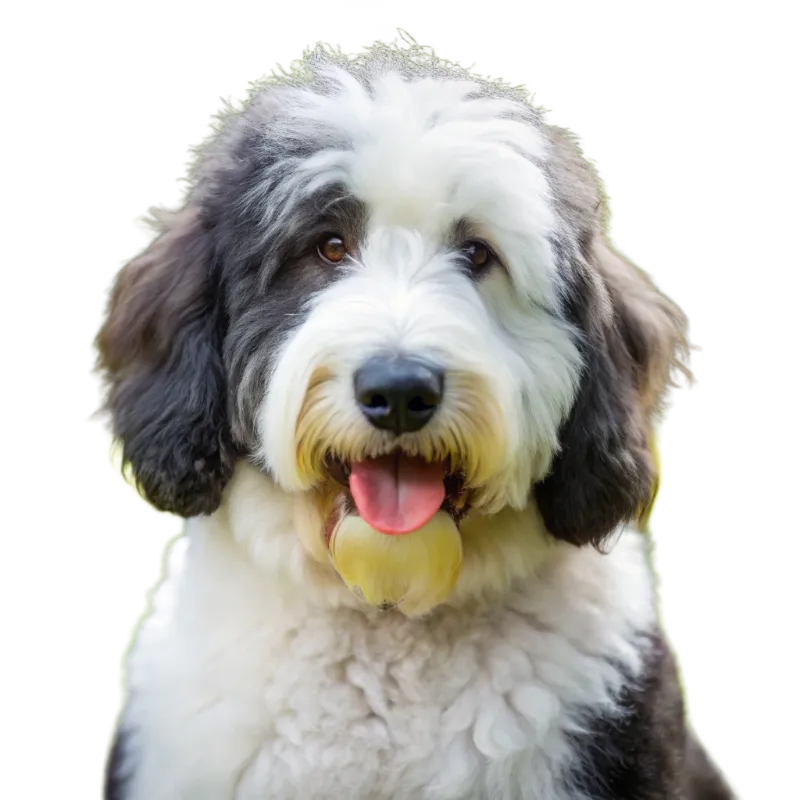
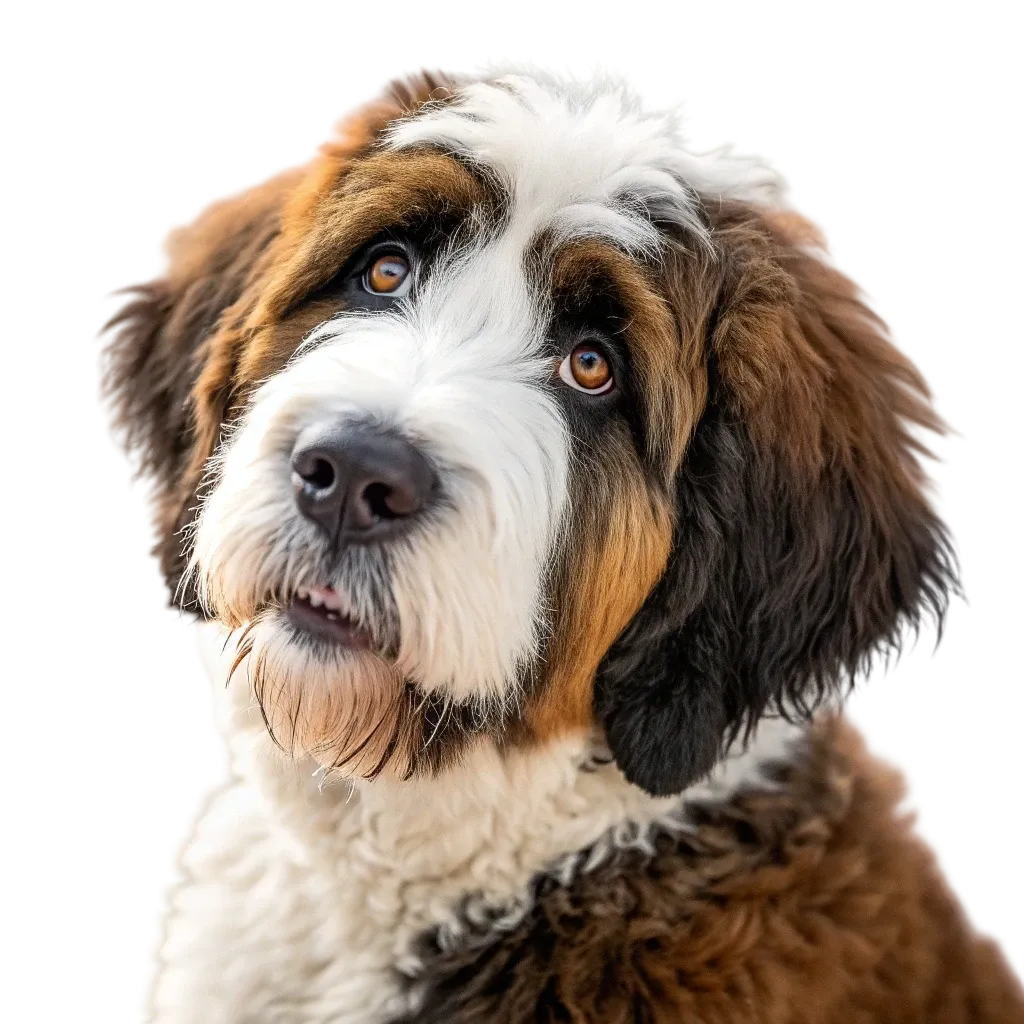
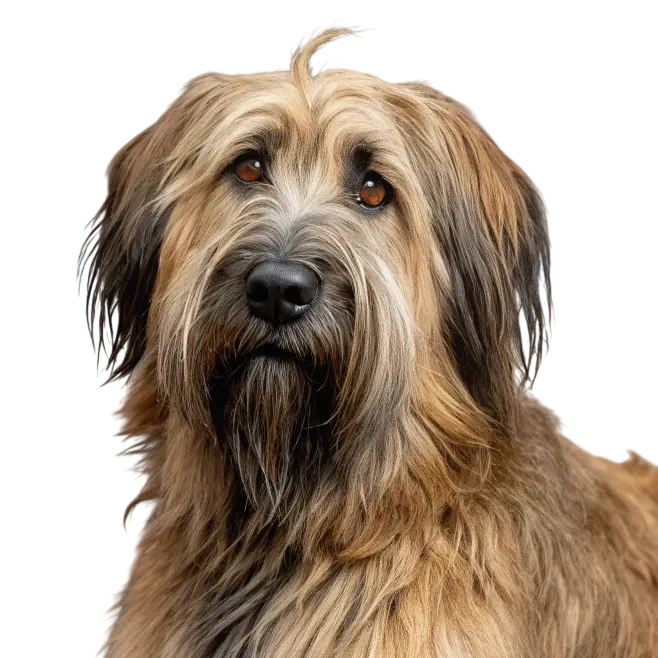
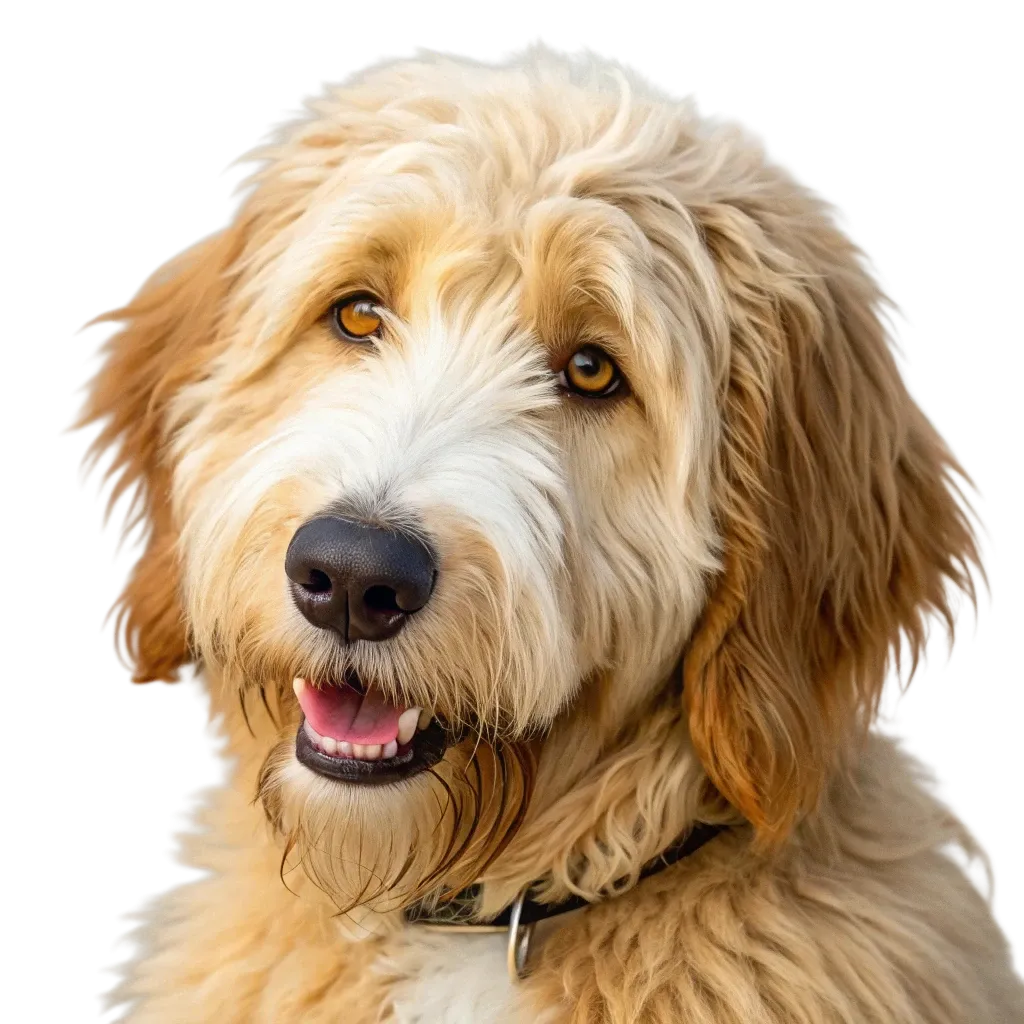
- Striking Shaggy Coat & Appearance: The breed has a thick, shaggy double coat that often covers its eyes and gives it a bear-like or fluffy appearance. Coat colors typically include shades of grey, blue, and white, often with striking patch patterns. Without frequent grooming, the coat easily mats and tangles, making regular brushing essential.
- Popularity in Media & Elite Circles: The Old English Sheepdog was once a favorite among wealthy American families and later gained fame through advertising, film, and television. Its charming, teddy bear-like appearance made it a media favorite. It was even used as a mascot for well-known brands, helping it become one of the most recognizable shaggy breeds.
- Herding & Droving Origins: The breed’s primary role was to help farmers move livestock over long distances to markets. This work required stamina, intelligence, and the ability to make decisions independently while still responding to commands. That legacy remains today in the breed's energetic, task-oriented nature.
- Watchful Family Companion: While they are sweet and loving toward their families, Old English Sheepdogs are alert and can act as effective watchdogs. They tend to bark when something is out of the ordinary but are not aggressive by nature. Their size and enthusiastic nature can sometimes overwhelm small children if not properly managed.
Old English Sheepdog Personality & Temperament
- Loyal & Affectionate: The Old English Sheepdog is a loyal and affectionate family dog that thrives on companionship and attention. They often form close bonds with all members of the household and enjoy being in the middle of family activities. Their watchful, protective instincts make them good at alerting to unusual situations.
- Playful: They are playful and clownish, often entertaining their families with goofy, fun-loving behavior. While usually gentle with children and tolerant of other pets, their large size means supervision is important during play. They can be a bit stubborn or independent at times, requiring patient, consistent handling.
- Intelligent: This is an intelligent breed with a strong work ethic that enjoys being both mentally and physically engaged. If bored or left alone too long, they can become noisy or destructive. When given enough attention, structure, and stimulation, they’re calm and content at home.
Old English Sheepdog Care & Grooming
- Exercise: Old English Sheepdogs need daily exercise to stay healthy and mentally balanced. A good mix of walks, play sessions, and occasional off-leash time in a secure area works well. They also enjoy canine sports or tasks that tap into their working heritage, such as herding or agility.
- Grooming: Grooming these dogs is intensive. Their long, dense coat requires several brushings per week to prevent mats, and some owners choose professional grooming. Regular maintenance of ears, nails, and teeth is also important. Many owners opt for a “puppy cut” to reduce grooming time while keeping the coat manageable.
- Training: Early and consistent training is essential, as they are large, powerful dogs with a mind of their own. They respond best to positive reinforcement, clear rules, and engaging routines. Socialization from a young age helps ensure they are calm, confident, and well-adjusted in various environments.
What to ask your breeder?
Here's a short summary of what you should be asking your breeder:
Old English Sheepdog Health Testing
| Screening | Considerations |
|---|---|
| Hip Dysplasia | One of the following: OFA Radiographic Hip Evaluation PennHIP Evaluation. Results registered with OFA. |
| ACVO Eye Exam | Eye Examination- recommend each year until 5, thereafter every 2 years |
| Autoimmune thyroiditis | OFA evaluation from an approved laboratory It is recommended that the test be repeated annually up to 5 years of age, and every 2 years thereafter. |
| EIC (Exercise Induced Collapse) | DNA based EXERCISE INDUCED COLLAPSE test from an approved laboratory; results registered with OFA |
| Multiple Drug Sensitivity | DNA-based MDR1 test results from an approved laboratory; results registered with OFA. First Generation Offspring of tested dogs eligible for Clear By Parentage |
| Cardiac Evaluation | (Optional) Congenital Cardiac Exam with exam by cardiologist Advanced Cardiac Exam Basic Cardiac Exam with exam by cardiologist |
| Congenital Deafness | (Optional) B.A.E.R. hearing test. Results registered with OFA. |
| Cerebellar Degeneration | (Optional) DNA-based Cerebellar Degeneratio test results from an approved laboratory; results registered with the OFA. First Generation Offspring of tested dogs eligible for Clear By Parentage |
| Primary Ciliary Dyskinesia (PCD) | (Optional) PRIMARY CILIARY DYSKINESIA |
Old English Sheepdog History
The Old English Sheepdog originated in England in the late 18th to early 19th century as a drover’s and herding dog, primarily used to drive sheep and cattle to market. Its ancestors likely included a mix of British and European herding dogs. Over time, the breed gained popularity for its shaggy coat and distinctive appearance, eventually becoming a show and companion dog as well as a working breed. By the 1870s, the Old English Sheepdog was being exhibited in shows and exported to other countries, including the United States.
How Much Does It Cost to Own an Old English Sheepdog Per Year?
Determining the cost of owning an Old English Sheepdog is essential for responsible dog ownership. Use our calculator to estimate expenses, including food, grooming, veterinary care, and more.
The Ultimate Dog Cost Calculator
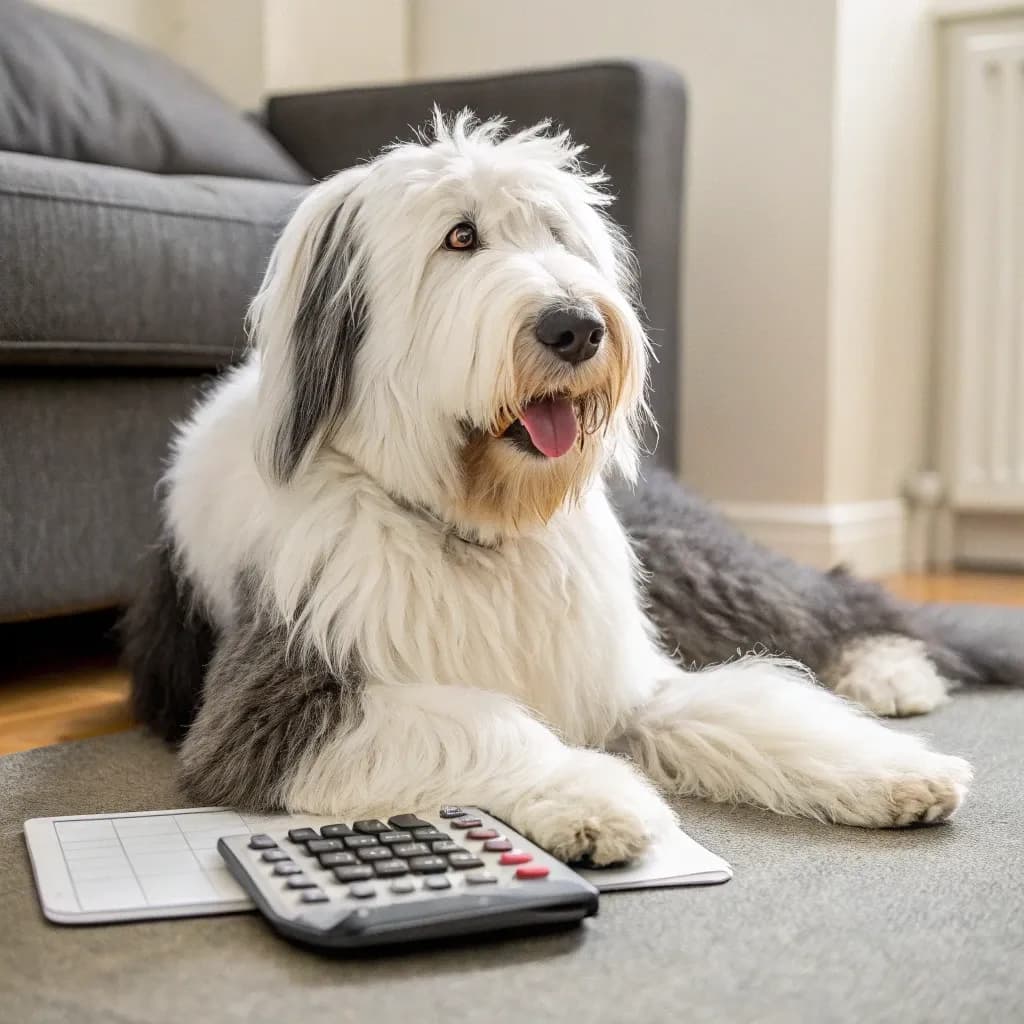 Calculate NowSee full Old English Sheepdog cost breakdown
Find Old English Sheepdog Breeders Near You
Connect with trusted Canadian breeders raising Old English Sheepdogs.
Find Old English Sheepdog BreedersFrequently Asked Questions About Old English Sheepdog
When you talk to a breeder, you're not just asking “do you have available Old English Sheepdog puppies?” You're looking for a match in the process of rehoming a dog. As a prospective dog owner, you are assessing how predictable the dog's health, temperament, and long-term welfare will be and whether the breeder's practices reduce avoidable risk.
You should engage in a conversation about the following topics:
- Which health tests and genetic screening do you do specifically for Old English Sheepdog, and can I see the results?
- What do you do if a puppy develops a serious genetic condition? What contract, policies and support do you offer as a breeder?
- How are puppies raised from birth to 8+ weeks? Ask about socialization, philosophies on early neurological development, handling, and exposure.
In Canada, Old English Sheepdog puppies from reputable breeders typically cost between $2,200 and $4,700 — but the puppy price is only the beginning.
The real cost of a dog isn't just the puppy price. After year one, the cost of a dog includes the predictable annual costs + the unpredictable “risk costs.” Your goal is to make the cost legible before you commit, as one of the top causes of surrendering a dog is not being able to afford the dog in later years.
To help you assess these costs, Paction has created the Ultimate Cost Calculator. You can also read an article written by a Paction breeder on why a prospective dog owner should focus on the ongoing costs of dog ownership and not “how much” the puppy costs.
For Old English Sheepdog, responsible breeders commonly screen breeding pairs using tests such as Hip Dysplasia, ACVO Eye Exam, Autoimmune thyroiditis, and EIC (Exercise Induced Collapse).
Every dog breed has certain health issues that tend to occur more often, but what matters most is how predictable and preventable those risks are. For many breeds, common concerns include inherited conditions (such as orthopedic, eye, or cardiac issues) as well as lifestyle-related challenges like weight management, dental health, skin or ear problems, and anxiety.
Responsible breeders help reduce inherited risk through appropriate health testing, careful selection of breeding pairs, and transparency about family history. To understand more about responsible breeding programs that prioritize health and genetic screening of breeding pairs, check out Making Science Simple: Canine Genetics for Puppy Shoppers.
As an owner, you play an equally important role. Consistent preventive veterinary care, proper exercise and enrichment, healthy nutrition, and early screening can significantly improve long-term health outcomes.
Whether an Old English Sheepdog is right for you depends less on the breed itself and more on how well its typical energy level, temperament, and care needs align with your daily life. Important factors include your schedule and activity level, living environment, household dynamics (such as children, other pets, or allergies), and tolerance for noise or independence. Long-term fit also comes down to maintenance like grooming, training needs, and how often you travel or rely on outside dog care.
Use Paction's Dog Breed Matchmaker and Pup Time Estimator to find out more about what dog is right for you.