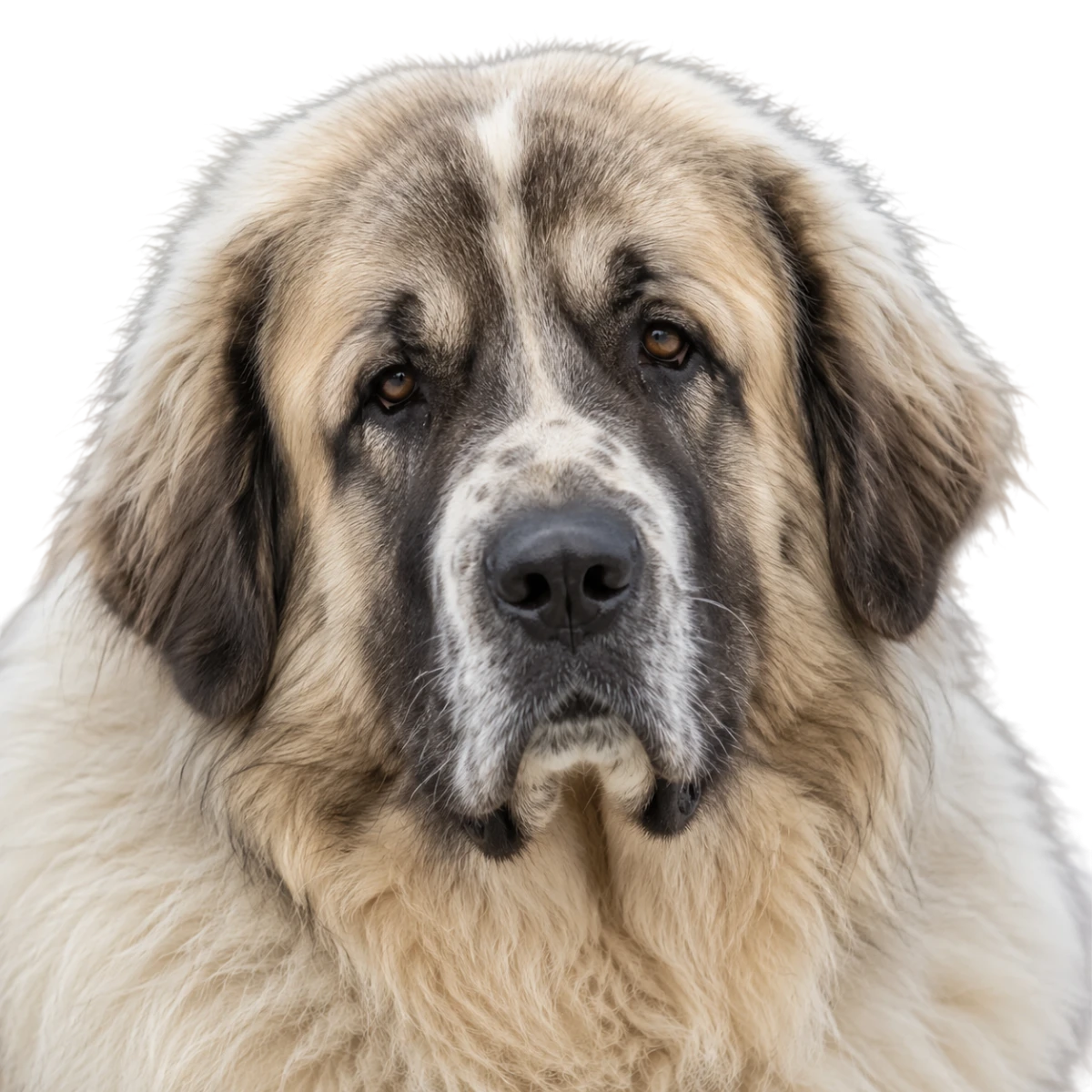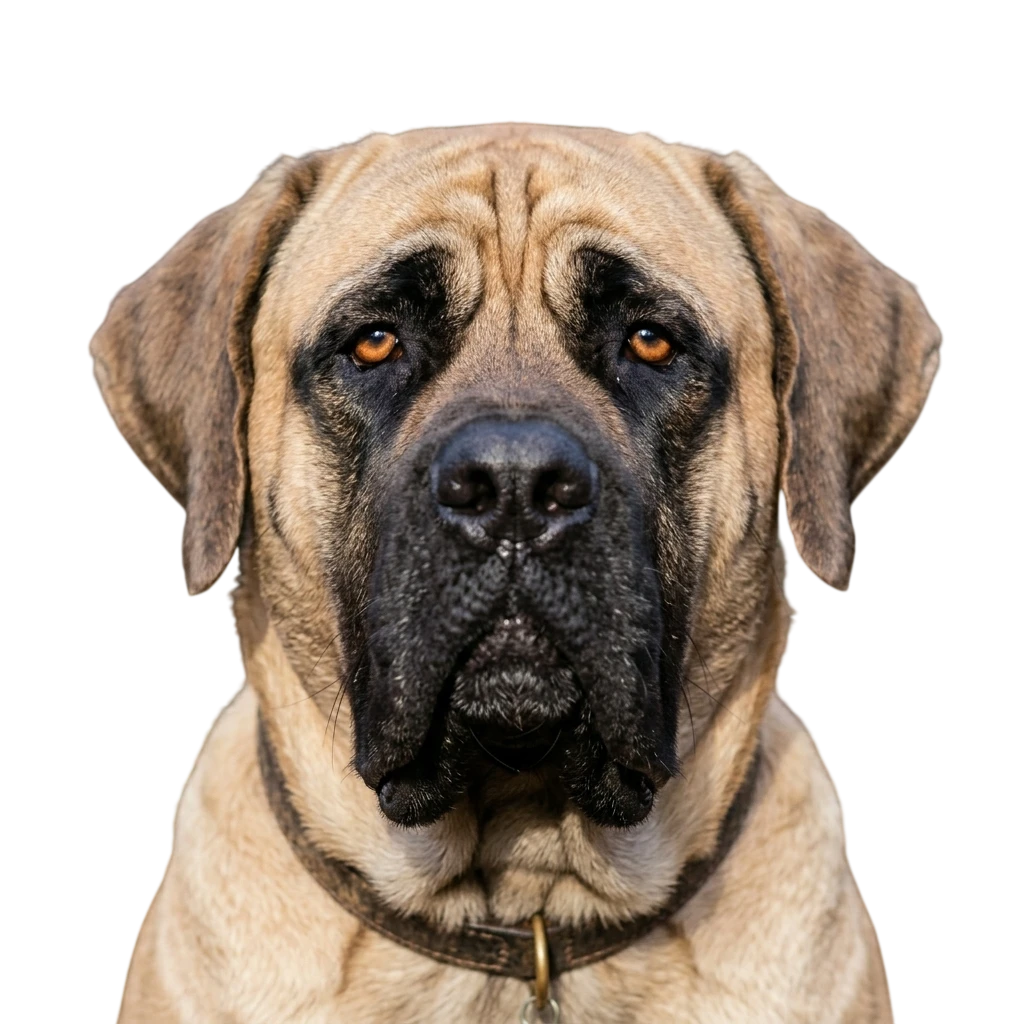
Tosa Inu (Japanese Mastiff) puppies for sale across Canada
Browse current listings and join the waitlist for Tosa Inu (Japanese Mastiff) puppies across Canada.
Also known as: Tosa, Japanese Mastiff, Japanese Tosa

Browse current listings and join the waitlist for Tosa Inu (Japanese Mastiff) puppies across Canada.
Also known as: Tosa, Japanese Mastiff, Japanese Tosa

Paction lists dogs for sale from ethical, health-tested breeders across Canada. You can search by breed and province to find your ideal companion.
Yes. Paction connects you with dogs for adoption from trusted breeders across Canada, including puppies that are ready for rehoming. Browse current listings or join a waitlist to be notified when a new litter is ready.
Yes. Alongside purebreds, you can find mixed breed pups from responsible breeders across Canada. Use the breed filter or browse all listings to explore what is currently available.
Every breeder on Paction is vetted before joining the platform. Paction breeders commit to health testing, transparent practices, and lifetime support for the dogs they place. You can read breeder profiles, view available puppies, and message breeders directly before making any decisions.
Puppy prices vary by breed, breeder, and location. Beyond the purchase price, budgeting for ongoing costs — vet care, food, grooming, and training — is equally important. Paction has built the Ultimate Dog Cost Calculator to help you plan for the full lifetime cost of your dog.

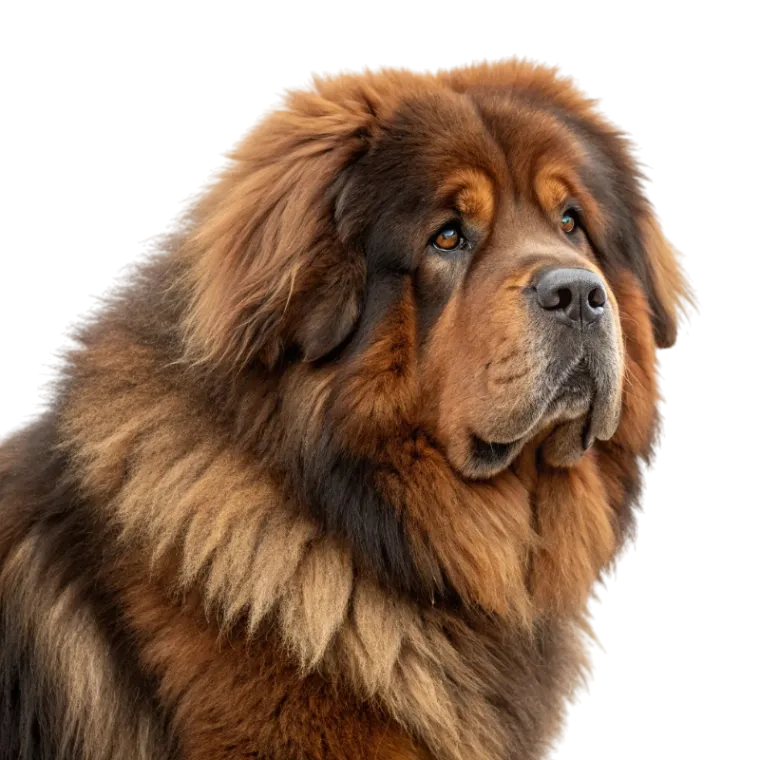
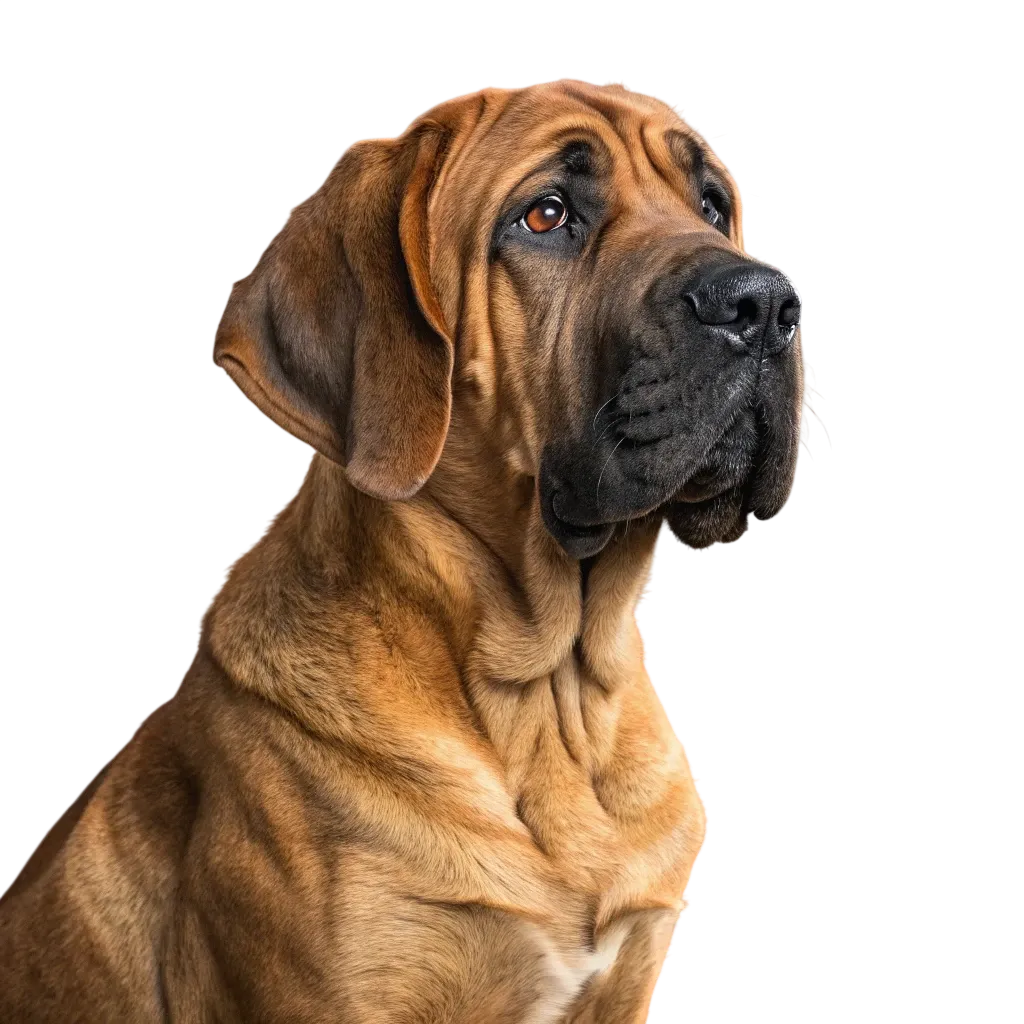
The Tosa Inu (Japanese Mastiff), often called the Tosa or Japanese Mastiff, is a beloved breed with a rich history.
The Tosa Inu originated in the Tosa region of Japan during the late 19th century, where local dogs were crossed with Western breeds such as Mastiffs, Bulldogs, and Great Danes to create a powerful yet disciplined dog. The goal was to produce a breed suitable for traditional Japanese dog wrestling, a sport that valued endurance, composure, and quiet strength. Over time, the Tosa became a symbol of discipline and honor, reflecting Japanese cultural values. Today, the breed remains rare and is typically owned by experienced handlers who understand its strength and temperament.