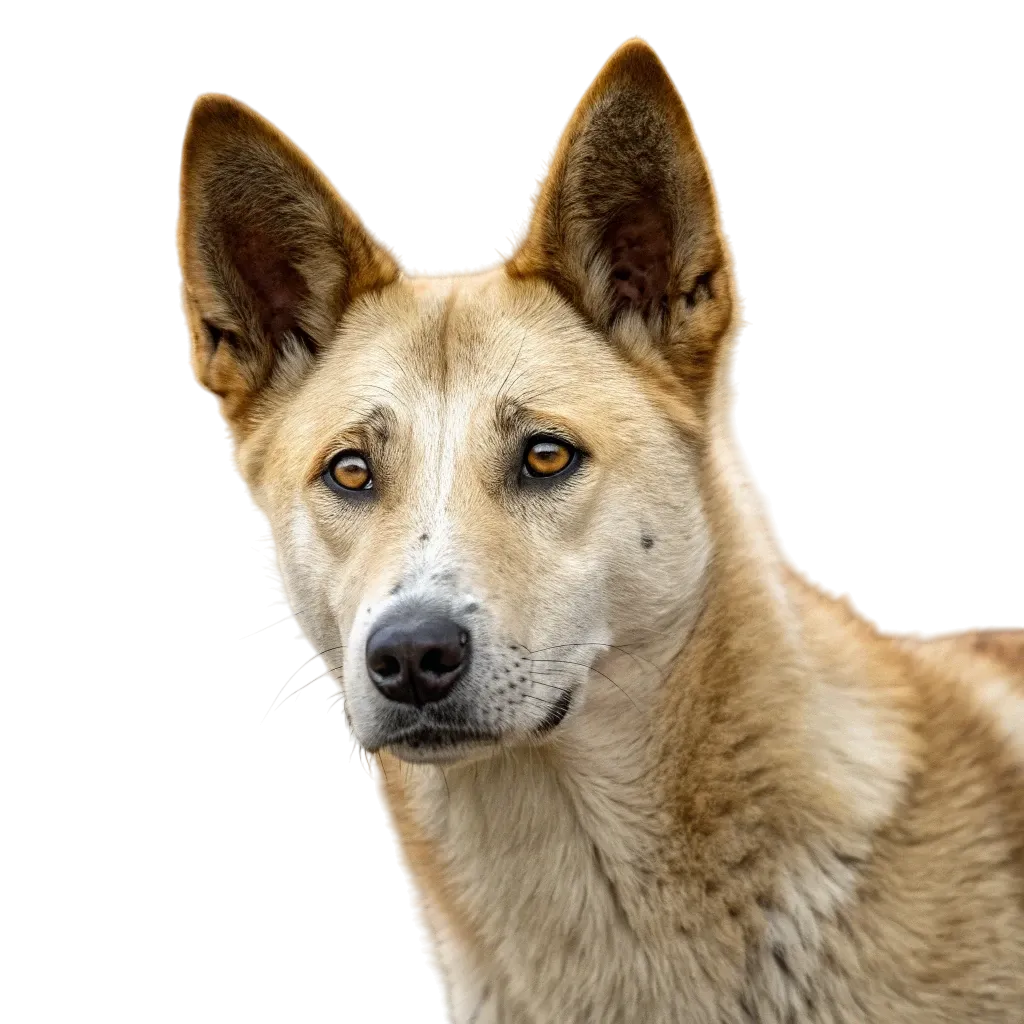
Azawakh puppies for sale across Canada
Join the waitlist for Azawakh puppies across Canada and Paction will start matching you with trusted breeders across Canada.
Also known as: Idi, Tuareg Sloughi
Join the waitlist for Azawakh puppies across Canada and Paction will start matching you with trusted breeders across Canada.
Also known as: Idi, Tuareg Sloughi
Why join the waitlist
Matched with trusted breeders
Paction connects you with responsible breeders across Canada who raise Azawakh.
Breeders reach out to you
Share what you're looking for and let breeders start the conversation.
Free and no obligation
Joining the waitlist costs nothing, and you're never locked in.
An Azawakh is also commonly known as Idi, Tuareg Sloughi. These are popular alternative names and search terms used for this breed across Canada.
Azawakh puppy prices in Canada vary based on breeder reputation, health testing, lineage, and breeding rights. Always prioritize breeders who provide health guarantees and proper documentation.
Beyond the purchase price, budgeting for ongoing costs is equally important. Paction has built the Ultimate Dog Cost Calculator to help you plan for the full lifetime cost of your dog. For a breed-specific breakdown, see the full Azawakh cost guide.
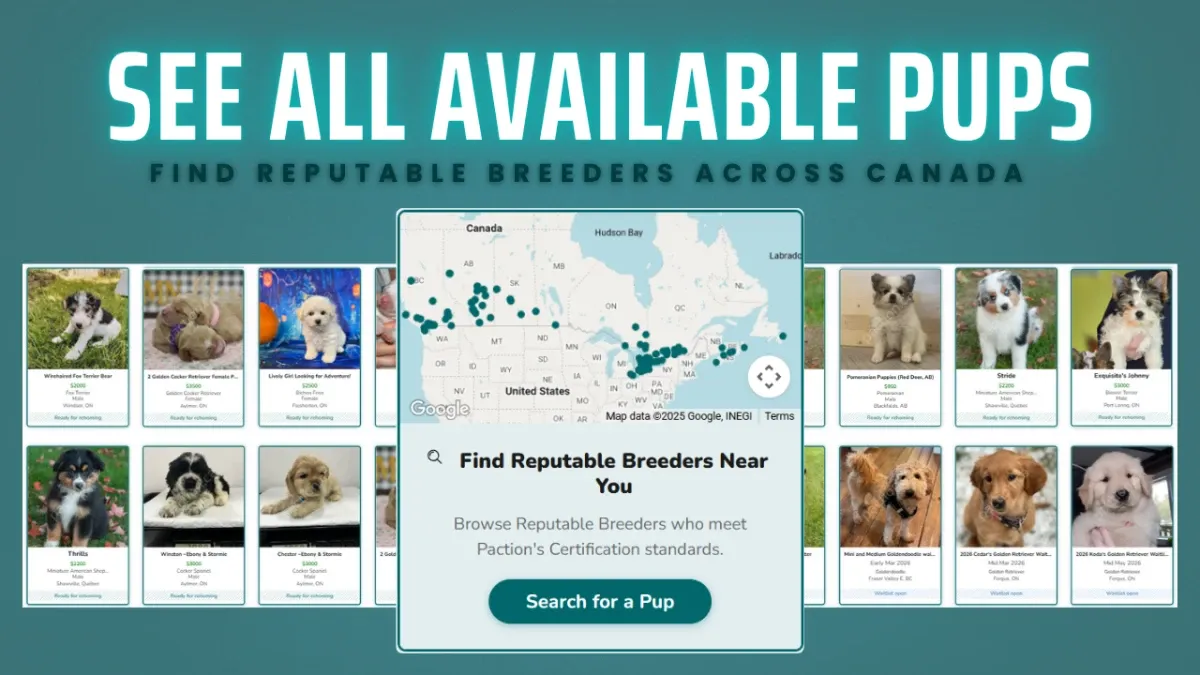
You can find reputable Azawakh breeders right here on Paction. Paction features verified breeders across Canada who raise healthy, well-socialized puppies. Use the search results above to view current listings and waitlists, or join the Global Waitlist and Paction will connect you with an excellent breeder.
Finding a responsible Azawakh breeder starts with understanding how the breeder plans their litters — not just whether the dogs are registered. Responsible breeders prioritize genetic and health screening of both parents and provide transparent lineage information.
To understand more about responsible breeding programs, check out Making Science Simple: Canine Genetics for Puppy Shoppers.
When choosing an Azawakh breeder, look for health testing on parent dogs, health guarantees, early puppy socialization, and willingness to answer questions about their breeding program.
To understand why health testing matters, check out Paction's Making Science Simple: Canine Genetics for Puppy Shoppers. For more educational resources, explore the Expert Hub.
Puppy scams are common when searching for popular breeds like Azawakh. Red flags include breeders unwilling to show health testing, pressure to send deposits quickly, or puppies offered without clear planning details. Paction reduces scam risk by working with breeders who verify their identities and commit to transparent, documented breeding practices.
 Other Names
 Weight
 Lifespan
 Exercise
 Trainability
 Temperament
 Grooming