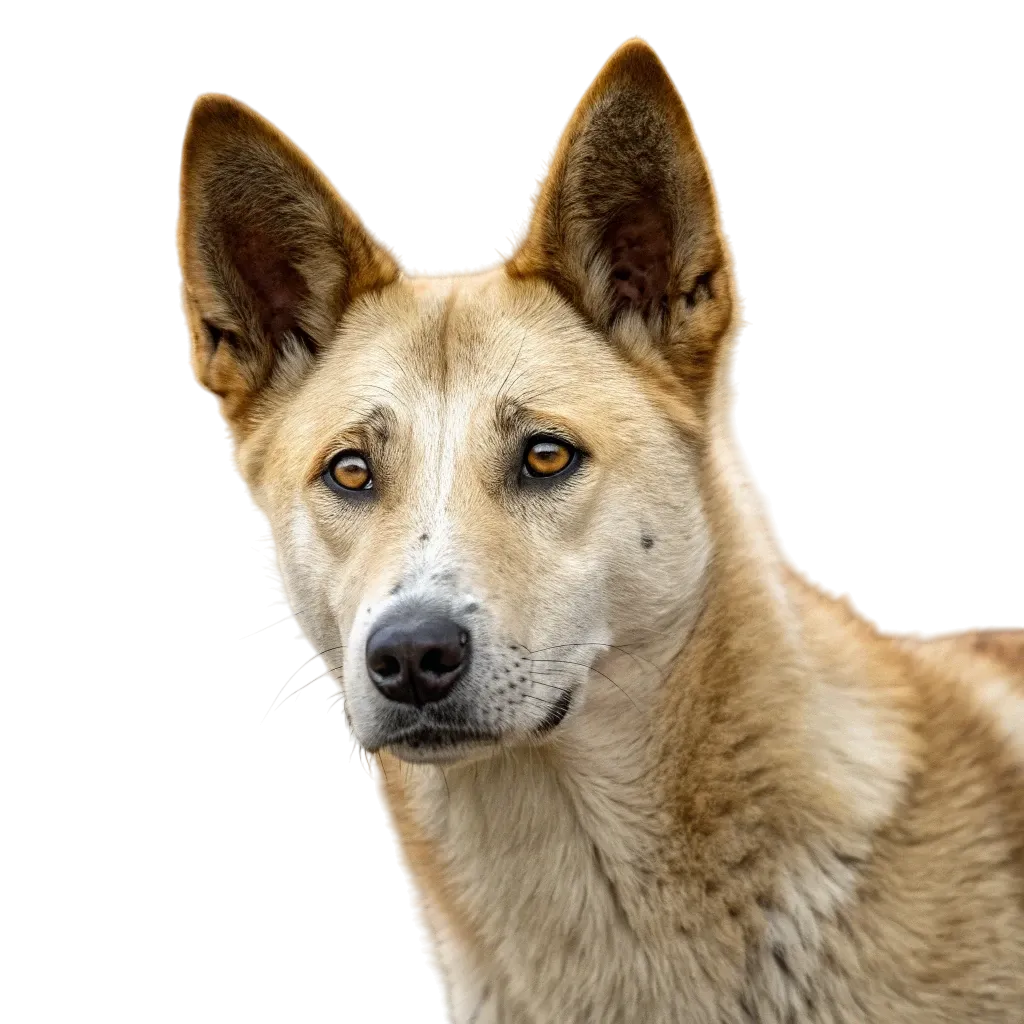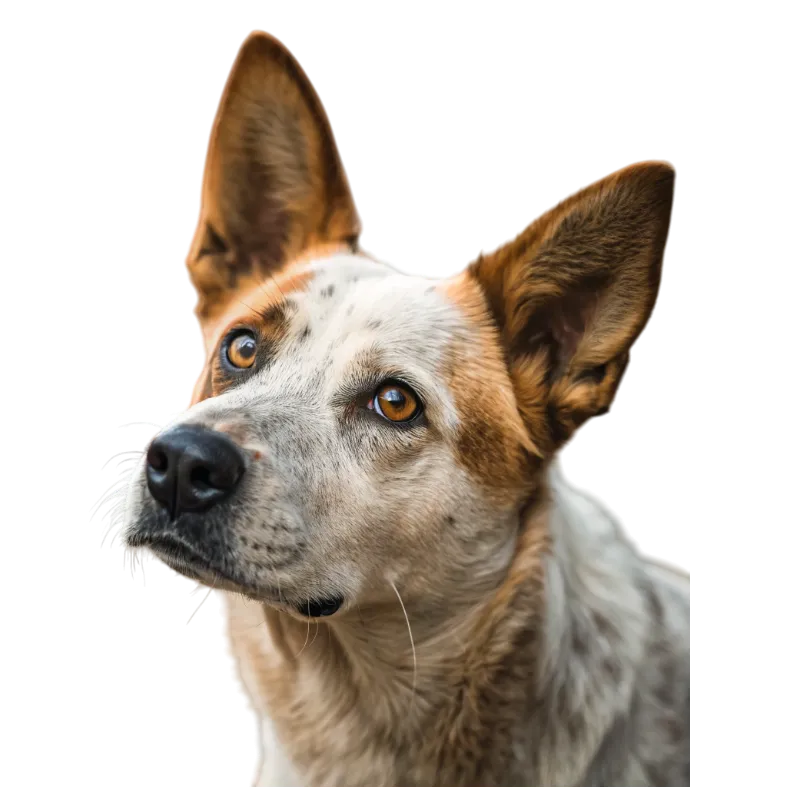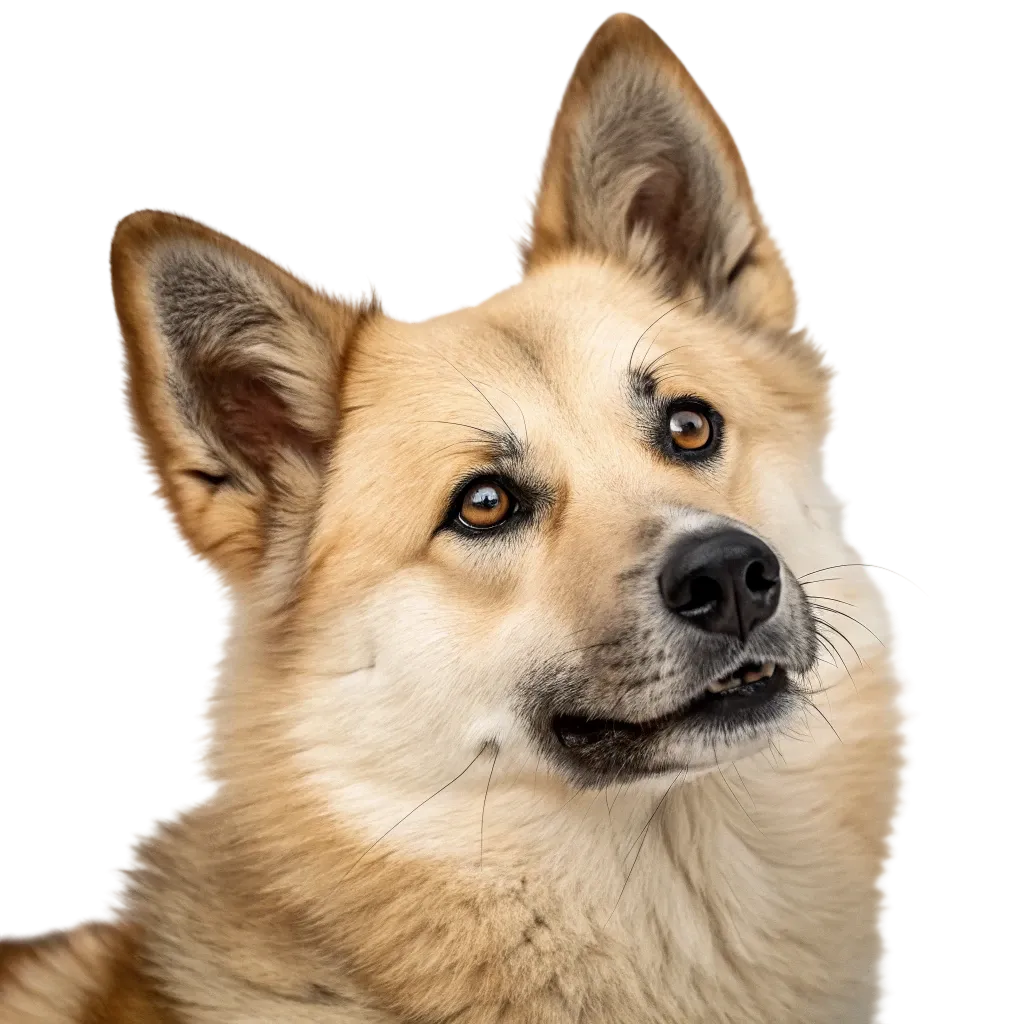
Carolina Dog (American Dingo)
Carolina Dog (American Dingo) Summary
 Weight
 Lifespan
 Exercise
 Trainability
 Temperament
 Grooming
Get to Know Carolina Dogs
- A Living Relic: The Carolina Dog is one of the oldest known dog types in North America, genetically linked to the dogs that accompanied the first humans into the continent.
- Natural Behavior Patterns: Unlike most modern breeds, they retain wild-type instincts — such as digging dens, burying food, and forming pack hierarchies when living in groups.
- Self-Grooming: These dogs are meticulously clean, often compared to cats in their grooming habits.
- “Fishhook” Tail: One of their signature traits is the distinct curved tail, often carried in a graceful hook shape over the back.
- Survival Intelligence: Bred by nature rather than humans, Carolina Dogs are exceptionally resourceful, cautious, and quick learners, combining independence with loyalty once bonded.
Carolina Dog (American Dingo) Personality & Temperament
- Pack-Oriented: Carolina Dogs have strong pack instincts and do best in homes where they are part of the family unit. They bond closely with their household and may be reserved with outsiders.
- Primitive Instincts: As a primitive breed, they retain many wild-dog behaviors including digging snout pits (small cone-shaped holes), covering their waste, and displaying a distinctive hunting posture.
- Loyal & Gentle: Once bonded with their family, Carolina Dogs are devoted and gentle companions. They are typically good with children and other dogs, especially those in their 'pack.'
- Independent & Cautious: They can be wary of new situations and people. Patience in socialization is rewarded with a confident, well-adjusted dog. Forcing interactions is counterproductive.
Carolina Dog (American Dingo) Care & Grooming
- Exercise: Carolina Dogs need at least 45 to 60 minutes of daily exercise. They enjoy long walks, hiking, and having access to a secure yard where they can run and explore.
- Grooming: Their short-to-medium double coat sheds seasonally and requires brushing once or twice weekly. They are naturally clean dogs that groom themselves similarly to wild canids.
- Diet: Feed a high-quality food appropriate for medium-sized, active dogs. Their primitive nature means they often do well on high-protein, grain-free diets, though individual needs vary.
- Health: Carolina Dogs are exceptionally healthy, likely due to natural selection over thousands of years. Few breed-specific health issues exist. Regular vet checkups, vaccinations, and parasite prevention are the main health priorities.
Carolina Dog (American Dingo) History
The Carolina Dog, often called the American Dingo, is one of the few remaining primitive dog breeds still living in the United States. These dogs are believed to be descendants of ancient pariah dogs that migrated from Asia with humans across the Bering Land Bridge thousands of years ago. For centuries, they survived as semi-wild dogs in the southeastern United States, especially in the Carolinas and Georgia, living near swamps and pine forests. Rediscovered in the 1970s by Dr. I. Lehr Brisbin, who studied them in South Carolina, the breed was found to have genetic links to ancient East Asian and Australian dingoes. Today, the Carolina Dog is recognized by several kennel clubs as a natural, primitive breed, admired for its intelligence, adaptability, and unspoiled instincts.
How Much Does It Cost to Own a Carolina Dog (American Dingo) Per Year?
Determining the cost of owning a Carolina Dog (American Dingo) is essential for responsible dog ownership. Use our calculator to estimate expenses, including food, grooming, veterinary care, and more.
The Ultimate Dog Cost Calculator
 Calculate NowSee full Carolina Dog (American Dingo) cost breakdown
Find Carolina Dog (American Dingo) Breeders Near You
Connect with trusted Canadian breeders raising Carolina Dogs.
Find Carolina Dog (American Dingo) BreedersFrequently Asked Questions About Carolina Dog (American Dingo)
When you talk to a breeder, you're not just asking “do you have available Carolina Dog (American Dingo) puppies?” You're looking for a match in the process of rehoming a dog. As a prospective dog owner, you are assessing how predictable the dog's health, temperament, and long-term welfare will be and whether the breeder's practices reduce avoidable risk.
You should engage in a conversation about the following topics:
- Which health tests and genetic screening do you do specifically for Carolina Dog (American Dingo), and can I see the results?
- What do you do if a puppy develops a serious genetic condition? What contract, policies and support do you offer as a breeder?
- How are puppies raised from birth to 8+ weeks? Ask about socialization, philosophies on early neurological development, handling, and exposure.
In Canada, Carolina Dog (American Dingo) puppies from reputable breeders typically cost between $1,600 and $3,700 — but the puppy price is only the beginning.
The real cost of a dog isn't just the puppy price. After year one, the cost of a dog includes the predictable annual costs + the unpredictable “risk costs.” Your goal is to make the cost legible before you commit, as one of the top causes of surrendering a dog is not being able to afford the dog in later years.
To help you assess these costs, Paction has created the Ultimate Cost Calculator. You can also read an article written by a Paction breeder on why a prospective dog owner should focus on the ongoing costs of dog ownership and not “how much” the puppy costs.
Every dog breed has certain health issues that tend to occur more often, but what matters most is how predictable and preventable those risks are. For many breeds, common concerns include inherited conditions (such as orthopedic, eye, or cardiac issues) as well as lifestyle-related challenges like weight management, dental health, skin or ear problems, and anxiety.
Responsible breeders help reduce inherited risk through appropriate health testing, careful selection of breeding pairs, and transparency about family history. To understand more about responsible breeding programs that prioritize health and genetic screening of breeding pairs, check out Making Science Simple: Canine Genetics for Puppy Shoppers.
As an owner, you play an equally important role. Consistent preventive veterinary care, proper exercise and enrichment, healthy nutrition, and early screening can significantly improve long-term health outcomes.
Whether a Carolina Dog (American Dingo) is right for you depends less on the breed itself and more on how well its typical energy level, temperament, and care needs align with your daily life. Important factors include your schedule and activity level, living environment, household dynamics (such as children, other pets, or allergies), and tolerance for noise or independence. Long-term fit also comes down to maintenance like grooming, training needs, and how often you travel or rely on outside dog care.
Use Paction's Dog Breed Matchmaker and Pup Time Estimator to find out more about what dog is right for you.