Bassador
Bassador Summary
 Weight
 Lifespan
 Exercise
 Trainability
 Temperament
 Grooming
Get to Know Bassadors
- Built for Sniffing & Fetching: Bassadors inherit a powerful nose from the Basset Hound and a strong retrieving instinct from the Lab, making them naturally curious explorers. They love to sniff out trails and will happily chase after a ball—though they might not always bring it back!
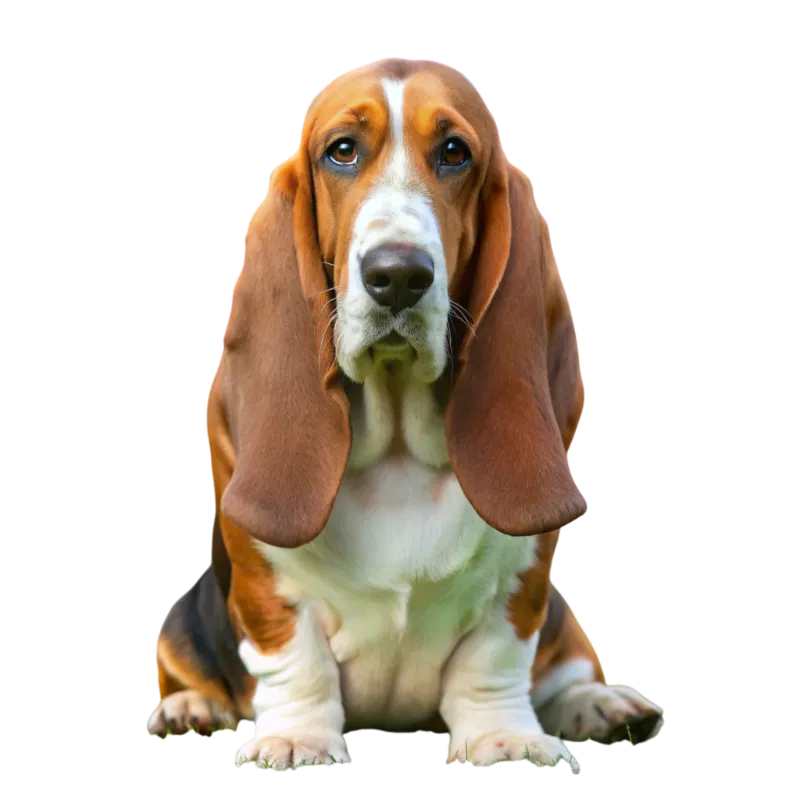
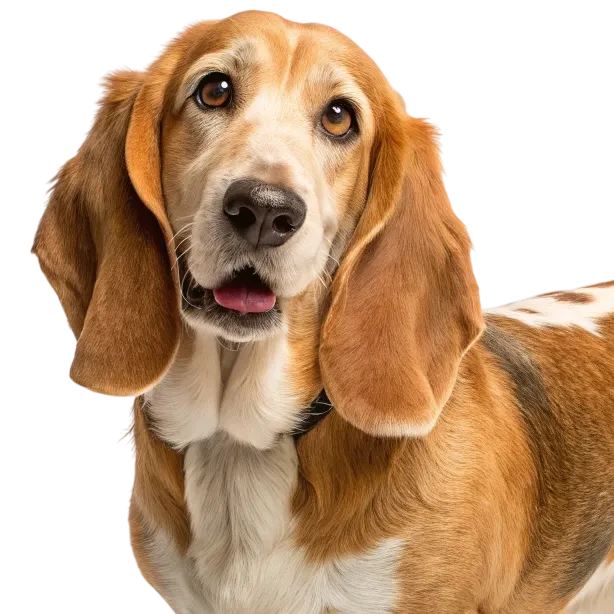
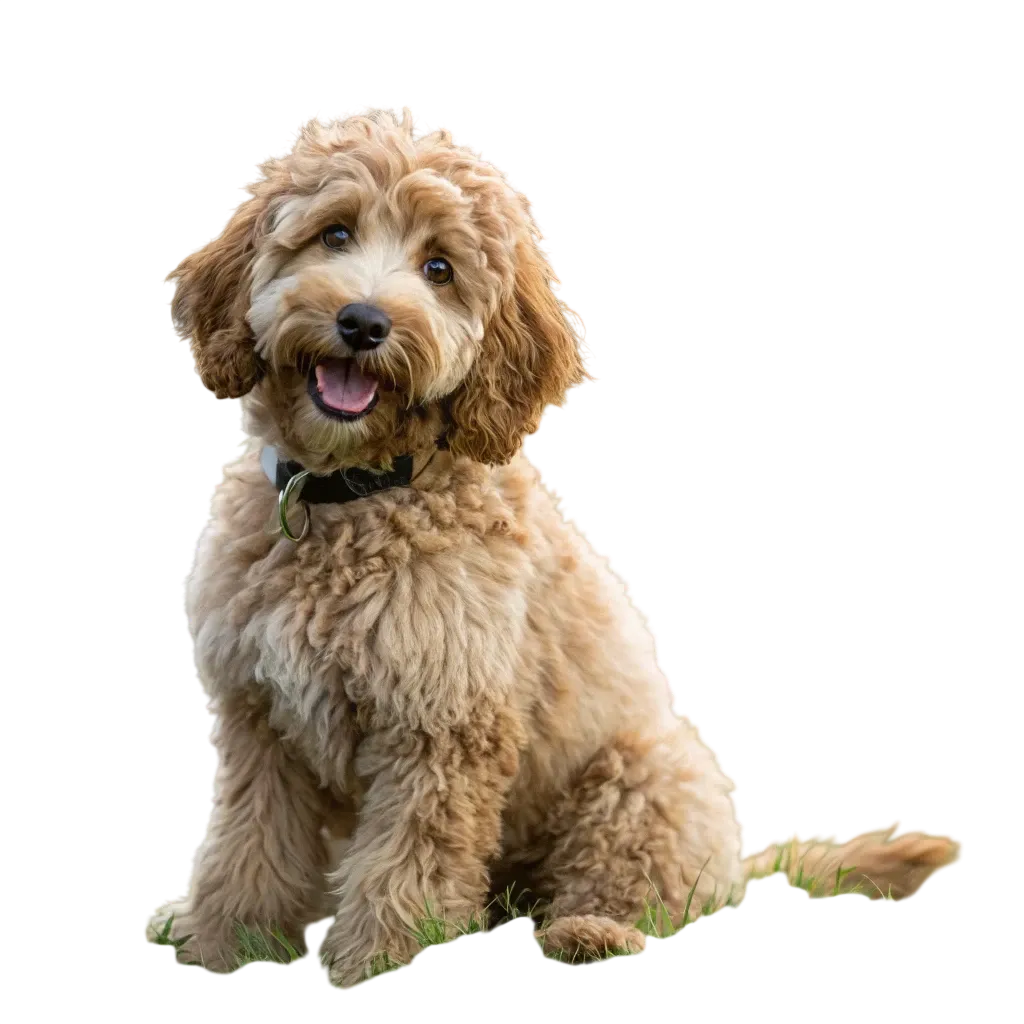
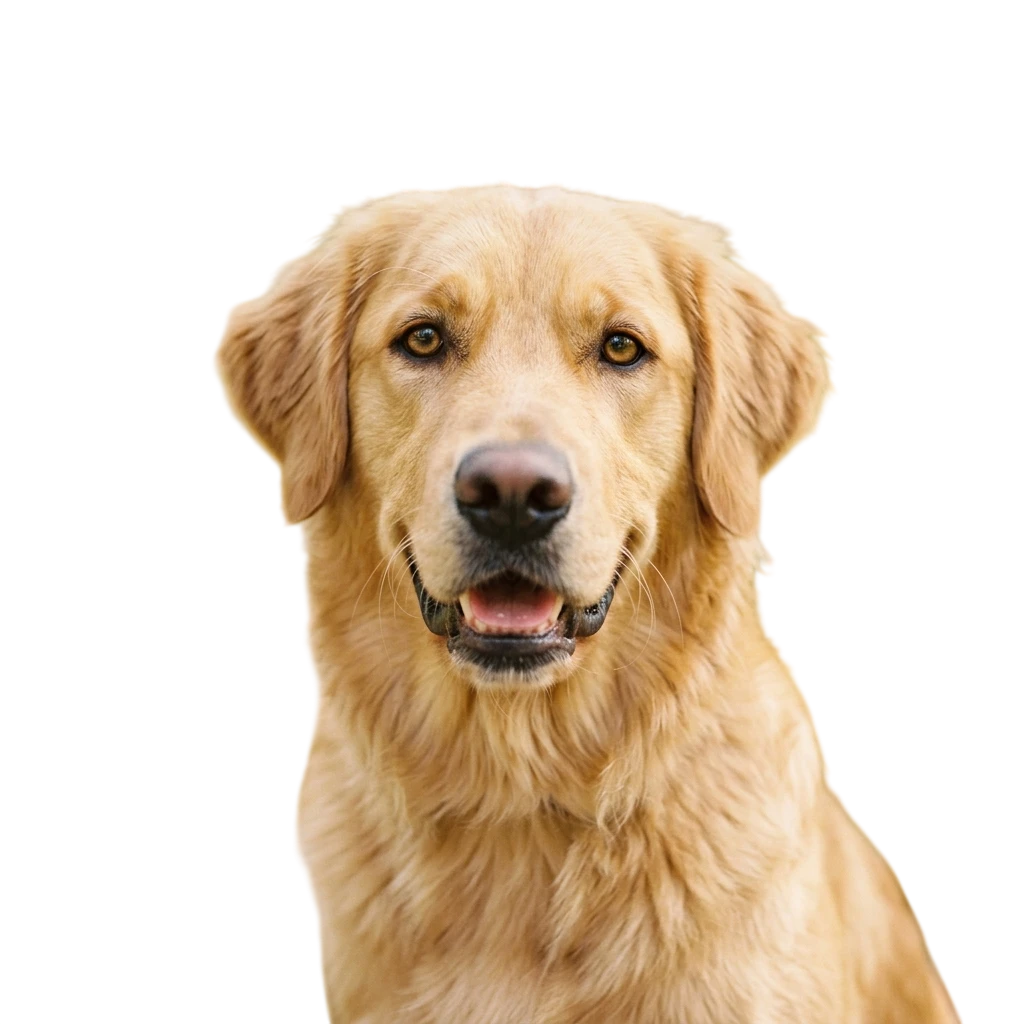
- Their Looks Are One-of-a-Kind: With the short legs and long body of a Basset Hound and the broader face and coat of a Lab, no two Bassadors look exactly the same. Some have long, floppy ears, while others lean more toward a Lab’s sleeker profile—but they almost always turn heads.
- Comedic Personalities: Bassadors are often described as goofy, expressive, and full of personality. Their combination of laid-back stubbornness and eager-to-please charm makes them unintentionally hilarious—and endlessly entertaining.
- Love to Lounge: While they enjoy walks and playtime, many Bassadors are surprisingly chill indoors, happy to snooze by your feet for hours. They strike a great balance between active and relaxed, making them a good fit for both families and more laid-back households.
- Training Takes Patience & Humor: With the Basset’s stubborn streak and the Lab’s enthusiasm, training a Bassador can be a mix of triumphs and tests. They're smart, but you’ll need to use positive reinforcement—and maybe a few extra treats—to keep them focused.
Bassador Personality & Temperament
- Playful but Laid-Back: This mix brings together the Basset Hound’s mellow demeanor and the Labrador Retriever’s playful energy, resulting in a dog that’s cheerful and engaging without being overly demanding. Bassadors enjoy playtime, walks, and games of fetch—but they’re also just as happy to curl up for a nap. Their balanced temperament makes them suitable for both active and relaxed households.
- Stubborn Yet Intelligent: While Bassadors are smart and trainable, they often inherit a stubborn streak from the Basset side. They can be strong-willed and may try to follow their nose rather than your commands. Consistent, positive training and a good sense of humor go a long way. With patience, they learn well and respond best when training feels fun and rewarding.
- Affectionate & Loyal: Bassadors are known for their deep devotion to their families. They thrive on companionship and love being part of the daily routine—whether that’s lounging on the couch, following you from room to room, or joining in on family outings. Their affectionate nature makes them great with children and other pets, and they’re typically eager to make new friends.
Bassador Care & Grooming
- Exercise: Bassadors have moderate exercise needs, blending the Labrador’s playful energy with the Basset Hound’s more laid-back nature. They benefit from daily walks, interactive play, and the occasional off-leash romp in a secure area. While they enjoy activity, they’re not overly hyper—though if left unstimulated, they can become bored and a bit mischievous. Mental stimulation, like puzzle toys or scent games, is a great way to satisfy both their body and mind.
- Training: Bassadors are smart but sometimes stubborn, so training requires consistency, patience, and positive reinforcement. They respond best to short, fun sessions with rewards and praise. Early training and socialization are important to encourage polite behavior and prevent issues like pulling on the leash or ignoring commands when their nose takes over. With a confident and kind approach, they become well-mannered, loyal companions.
- Grooming: Grooming a Bassador is usually low to moderate effort, depending on their coat type. Most have a short, dense coat that sheds year-round, so brushing once or twice a week helps manage loose hair. They may inherit the Basset’s floppy ears, which need regular cleaning to prevent infections. Nail trimming, dental care, and the occasional bath round out their grooming routine.
What to ask your breeder?
Here's a short summary of what you should be asking your breeder:
Basset Hound Health Testing
| Screening | Considerations |
|---|---|
| Primary Open Angle Glaucoma | DNA based test results from an approved lab registered with the OFA |
| MUCOPOLYSACCHARIDOSIS I | DNA based test results from an approved lab registered with the OFA |
| Thrombopathia | DNA based test results from an approved lab registered with the OFA |
Labrador Retriever Health Testing
| Screening | Considerations |
|---|---|
| Hip Dysplasia | OFA Radiographic Hip Evaluation |
| Elbow Dysplasia | OFA Radiographic Elbow Evaluation |
| ACVO Eye Examination | ACVO Eye Examination. Results registered with OFA. |
| EIC (Exercise Induced Collapse) | EXERCISE INDUCED COLLAPSE - DNA based test from an approved lab |
| D Locus (Dilute) DNA Test | DNA based D LOCUS results from an approved lab |
| Centronuclear Myopathy | (Optional but recommended) DNA Based CNM Test - results registered with the OFA |
| Cardiac Evaluation | (Optional but recommended) Advanced Cardiac Exam Standard Congenital Cardiac Exam. Results registered with OFA. Basic Cardiac Exam |
| prcd-PRA DNA Test | (Optional but recommended) DNA based prcd-PRA test from a licensed lab - results registered with the OFA |
Bassador History
The Bassador is a charming and unique mixed breed dog, resulting from the cross between a Basset Hound and a Labrador Retriever. This combination brings together the laid-back, scent-driven personality of the Basset with the friendly, energetic nature of the Labrador. Bassadors are medium-sized dogs with a sturdy build, often sporting the short legs and long body of the Basset, paired with the expressive face and dense coat of a Lab. They’re known for being affectionate, loyal, and sociable, making them great companions for families and individuals alike. While they love attention and playtime, they also have a stubborn streak and a strong nose, so early training and consistent exercise are important. With the right care and companionship, Bassadors make loving, quirky, and entertaining pets.
How Much Does It Cost to Own a Bassador Per Year?
Determining the cost of owning a Bassador is essential for responsible dog ownership. Use our calculator to estimate expenses, including food, grooming, veterinary care, and more.
The Ultimate Dog Cost Calculator
 Calculate NowSee full Bassador cost breakdown
Find Bassador Breeders Near You
Connect with trusted Canadian breeders raising Bassadors.
Find Bassador BreedersFrequently Asked Questions About Bassador
When you talk to a breeder, you're not just asking “do you have available Bassador puppies?” You're looking for a match in the process of rehoming a dog. As a prospective dog owner, you are assessing how predictable the dog's health, temperament, and long-term welfare will be and whether the breeder's practices reduce avoidable risk.
You should engage in a conversation about the following topics:
- Which health tests and genetic screening do you do specifically for Bassador, and can I see the results?
- What do you do if a puppy develops a serious genetic condition? What contract, policies and support do you offer as a breeder?
- How are puppies raised from birth to 8+ weeks? Ask about socialization, philosophies on early neurological development, handling, and exposure.
In Canada, Bassador puppies from reputable breeders typically cost between $2,000 and $4,300 — but the puppy price is only the beginning.
The real cost of a dog isn't just the puppy price. After year one, the cost of a dog includes the predictable annual costs + the unpredictable “risk costs.” Your goal is to make the cost legible before you commit, as one of the top causes of surrendering a dog is not being able to afford the dog in later years.
To help you assess these costs, Paction has created the Ultimate Cost Calculator. You can also read an article written by a Paction breeder on why a prospective dog owner should focus on the ongoing costs of dog ownership and not “how much” the puppy costs.
For Bassador, responsible breeders commonly screen breeding pairs using tests such as Primary Open Angle Glaucoma, MUCOPOLYSACCHARIDOSIS I, Thrombopathia, and Hip Dysplasia.
Every dog breed has certain health issues that tend to occur more often, but what matters most is how predictable and preventable those risks are. For many breeds, common concerns include inherited conditions (such as orthopedic, eye, or cardiac issues) as well as lifestyle-related challenges like weight management, dental health, skin or ear problems, and anxiety.
Responsible breeders help reduce inherited risk through appropriate health testing, careful selection of breeding pairs, and transparency about family history. To understand more about responsible breeding programs that prioritize health and genetic screening of breeding pairs, check out Making Science Simple: Canine Genetics for Puppy Shoppers.
As an owner, you play an equally important role. Consistent preventive veterinary care, proper exercise and enrichment, healthy nutrition, and early screening can significantly improve long-term health outcomes.
Whether a Bassador is right for you depends less on the breed itself and more on how well its typical energy level, temperament, and care needs align with your daily life. Important factors include your schedule and activity level, living environment, household dynamics (such as children, other pets, or allergies), and tolerance for noise or independence. Long-term fit also comes down to maintenance like grooming, training needs, and how often you travel or rely on outside dog care.
Use Paction's Dog Breed Matchmaker and Pup Time Estimator to find out more about what dog is right for you.