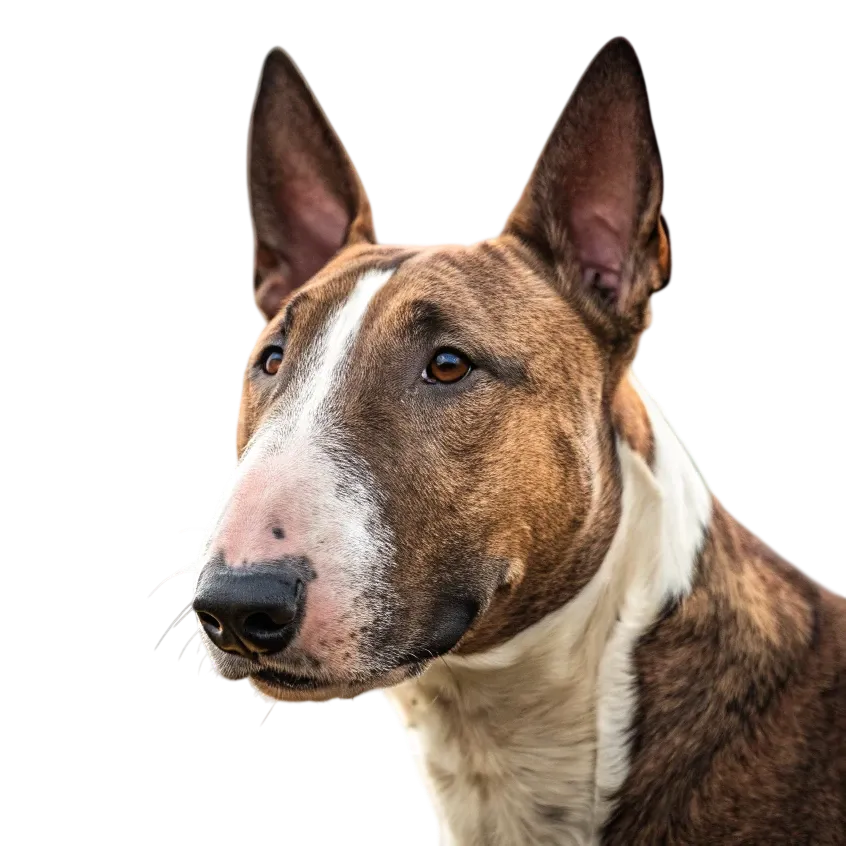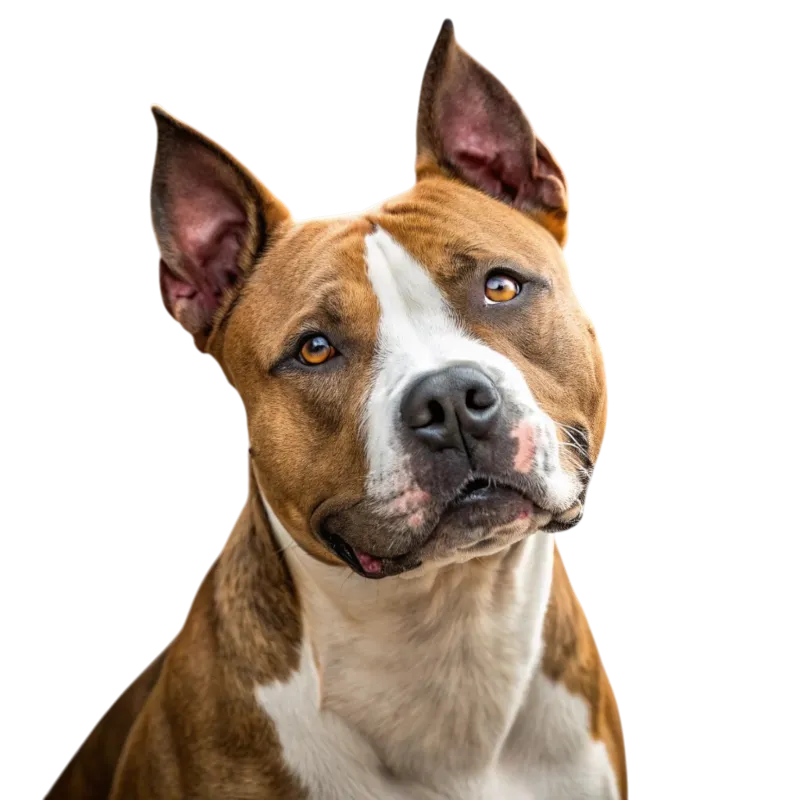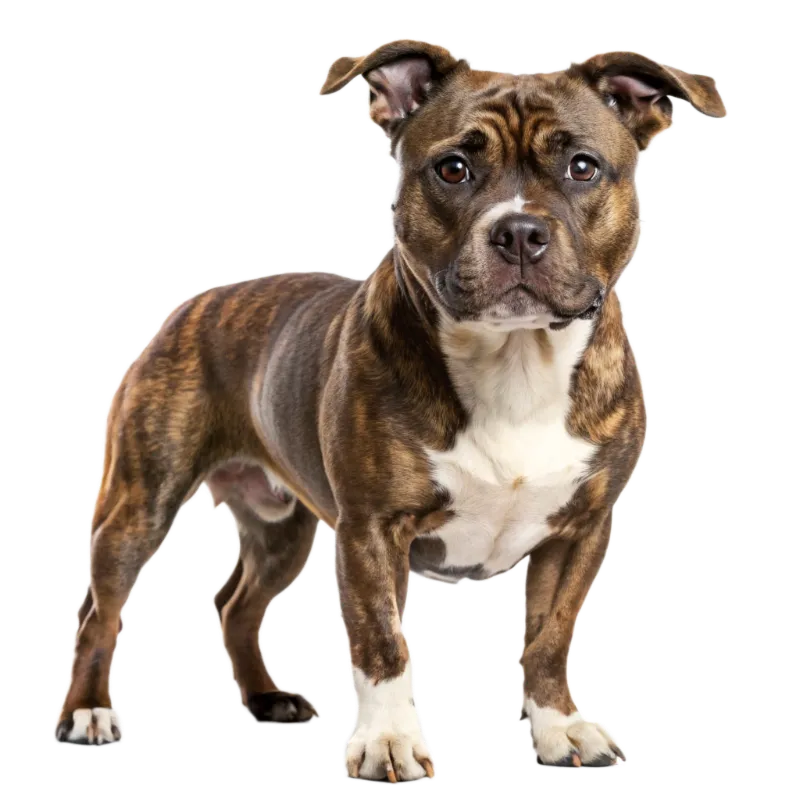
American Pit Bull Terrier
American Pit Bull Terrier Summary
 Weight
 Lifespan
 Exercise
 Trainability
 Temperament
 Grooming
Get to Know American Pit Bull Terriers
- Once "Nanny Dogs": In the early 20th century, American Pit Bull Terriers were nicknamed "nanny dogs" for their reputation as loyal and gentle family protectors, especially around children appearing in vintage ads and family photos as symbols of trust.
- They Have Incredible Bite Control: Despite media myths, studies show Pit Bulls actually have strong impulse control and do not have a stronger bite force than many other breeds debunking the “locking jaw” myth.
- Excel in Canine Sports: Due to their strength, intelligence, and agility, Pit Bulls often dominate in sports like weight pulling, dock diving, agility, and obedience trials, proving they are far more than their stereotypes.
- War Hero Legacy: A Pit Bull named Sergeant Stubby served in World War I, earning 13 medals for his bravery, including detecting gas attacks and locating wounded soldiers. He became the most decorated dog of the war.
- Not CKC Recognized: The CKC does not recognize the American Pit Bull Terrier (APBT) as a registered breed. Like the American Kennel Club (AKC), the CKC recognizes the American Staffordshire Terrier, which shares the same ancestry as the APBT but has been bred separately under different standards for decades.
American Pit Bull Terrier Personality & Temperament
- Deep Loyalty & Affectionate: Many Pit Bulls are incredibly people-oriented and thrive on human companionship. They often form strong bonds with their owners and can be quite cuddly, enjoying time spent as close to their humans as possible. Their emotional sensitivity makes them responsive to attention and affection, and they generally do well in homes where they are treated as part of the family.
- Highly Energetic & Playful: They have a strong need for physical activity and mental engagement. They enjoy games like fetch, tug-of-war, and agility tasks, and they excel in dog sports thanks to their strength and enthusiasm. Without proper outlets for their energy, they can become restless or develop unwanted behaviors such as chewing or excessive barking. Daily exercise and play are essential to keeping them balanced and content.
- Intelligent & Determined: They have a strong desire to please, though this can be paired with some stubbornness. They respond well to consistent, positive training methods and thrive when given clear boundaries. Early socialization is important, especially with other animals, as some individuals may have a high prey drive or display dog-selective behavior. With the right guidance and environment, they are well-mannered, confident, and highly devoted companions.
American Pit Bull Terrier Care & Grooming
- Exercise: American Pit Bull Terriers have high energy levels and need consistent daily exercise to stay physically and mentally healthy. Activities like brisk walks, runs, tug-of-war, agility training, or playtime in a secure yard help keep them stimulated and prevent boredom. Without adequate exercise, they can become restless or develop destructive behaviors. These dogs thrive when they have a job or structured routine, making them great candidates for active families or individuals.
- Grooming: Grooming needs for this breed are minimal, thanks to their short, smooth coat. Weekly brushing with a rubber grooming mitt or soft bristle brush helps keep shedding under control and their coat looking healthy. They only need occasional baths unless they get particularly dirty, and basic care like nail trimming, ear cleaning, and dental hygiene should be maintained regularly. Their grooming routine is simple, making them an easy breed to care for in that regard.
- Training: Training an American Pit Bull Terrier requires patience, consistency, and positive reinforcement. They’re intelligent and eager to please, which makes them highly trainable, but they can also be independent or strong-willed. Early obedience training and socialization are essential, particularly due to their physical strength and the public misconceptions about the breed. With proper training, they become respectful, well-adjusted companions that respond confidently to commands and new environments.
American Pit Bull Terrier History
The American Pit Bull Terrier traces its roots to early 19th-century England, where bulldogs and terriers were crossed to create strong, agile dogs for bull-baiting and later, ratting and dog fighting. Immigrants brought these dogs to the United States, where they were further developed into a distinct breed known for strength, loyalty, and tenacity. In America, they transitioned from fighting dogs to versatile farm and family companions, valued for their intelligence and work ethic. Despite their controversial history, the breed has long been admired by enthusiasts for its courage, trainability, and deep bond with humans.
How Much Does It Cost to Own an American Pit Bull Terrier Per Year?
Determining the cost of owning an American Pit Bull Terrier is essential for responsible dog ownership. Use our calculator to estimate expenses, including food, grooming, veterinary care, and more.
The Ultimate Dog Cost Calculator
 Calculate NowSee full American Pit Bull Terrier cost breakdown
Find American Pit Bull Terrier Breeders Near You
Connect with trusted Canadian breeders raising American Pit Bull Terriers.
Find American Pit Bull Terrier BreedersFrequently Asked Questions About American Pit Bull Terrier
When you talk to a breeder, you're not just asking “do you have available American Pit Bull Terrier puppies?” You're looking for a match in the process of rehoming a dog. As a prospective dog owner, you are assessing how predictable the dog's health, temperament, and long-term welfare will be and whether the breeder's practices reduce avoidable risk.
You should engage in a conversation about the following topics:
- Which health tests and genetic screening do you do specifically for American Pit Bull Terrier, and can I see the results?
- What do you do if a puppy develops a serious genetic condition? What contract, policies and support do you offer as a breeder?
- How are puppies raised from birth to 8+ weeks? Ask about socialization, philosophies on early neurological development, handling, and exposure.
In Canada, American Pit Bull Terrier puppies from reputable breeders typically cost between $2,000 and $4,400 — but the puppy price is only the beginning.
The real cost of a dog isn't just the puppy price. After year one, the cost of a dog includes the predictable annual costs + the unpredictable “risk costs.” Your goal is to make the cost legible before you commit, as one of the top causes of surrendering a dog is not being able to afford the dog in later years.
To help you assess these costs, Paction has created the Ultimate Cost Calculator. You can also read an article written by a Paction breeder on why a prospective dog owner should focus on the ongoing costs of dog ownership and not “how much” the puppy costs.
Every dog breed has certain health issues that tend to occur more often, but what matters most is how predictable and preventable those risks are. For many breeds, common concerns include inherited conditions (such as orthopedic, eye, or cardiac issues) as well as lifestyle-related challenges like weight management, dental health, skin or ear problems, and anxiety.
Responsible breeders help reduce inherited risk through appropriate health testing, careful selection of breeding pairs, and transparency about family history. To understand more about responsible breeding programs that prioritize health and genetic screening of breeding pairs, check out Making Science Simple: Canine Genetics for Puppy Shoppers.
As an owner, you play an equally important role. Consistent preventive veterinary care, proper exercise and enrichment, healthy nutrition, and early screening can significantly improve long-term health outcomes.
Whether an American Pit Bull Terrier is right for you depends less on the breed itself and more on how well its typical energy level, temperament, and care needs align with your daily life. Important factors include your schedule and activity level, living environment, household dynamics (such as children, other pets, or allergies), and tolerance for noise or independence. Long-term fit also comes down to maintenance like grooming, training needs, and how often you travel or rely on outside dog care.
Use Paction's Dog Breed Matchmaker and Pup Time Estimator to find out more about what dog is right for you.